
Last updated September 10, 2026
Level 1 sweep and inspection to the NFPA 211 annual standard - flue, crown, cap, and flashing checked and photographed
Chimney sweep logs do not sweep chimneys. They loosen some creosote - which then falls where a brush and vacuum still have to collect it.
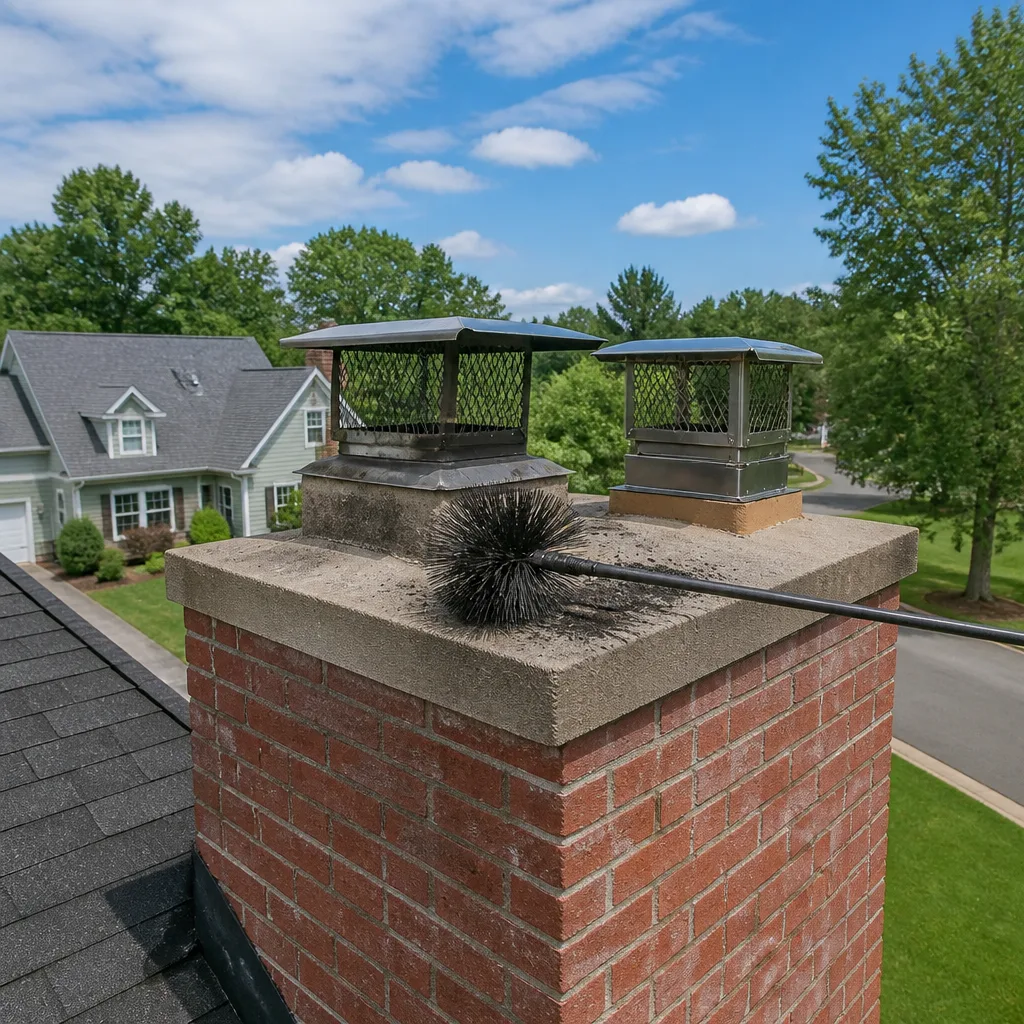
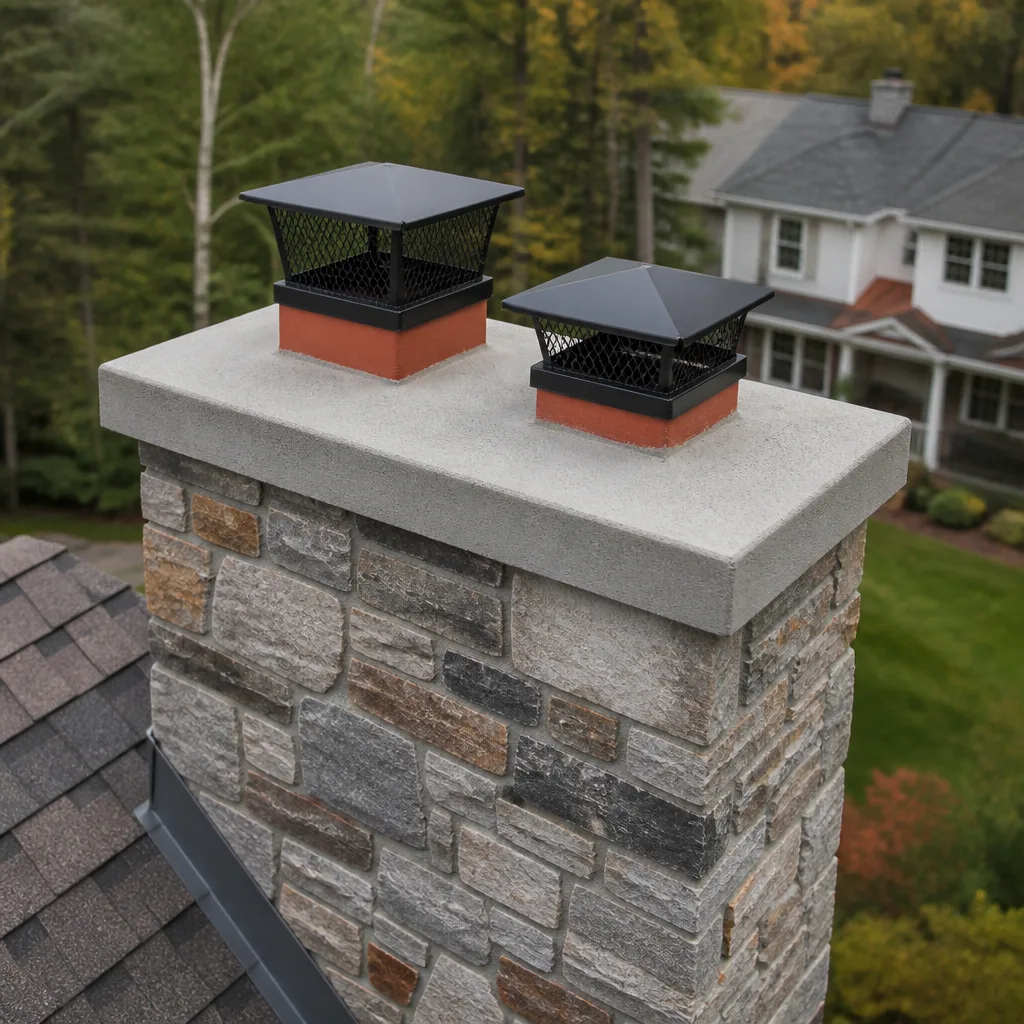
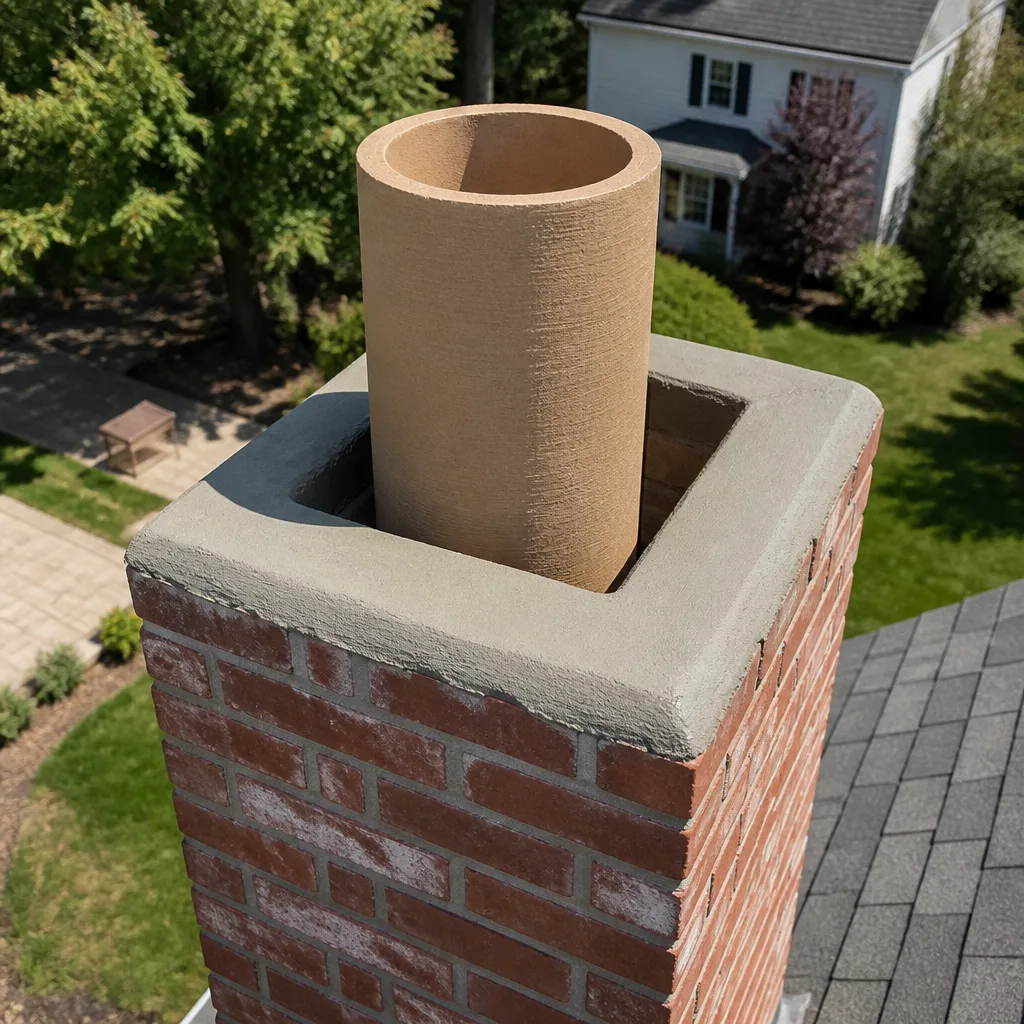
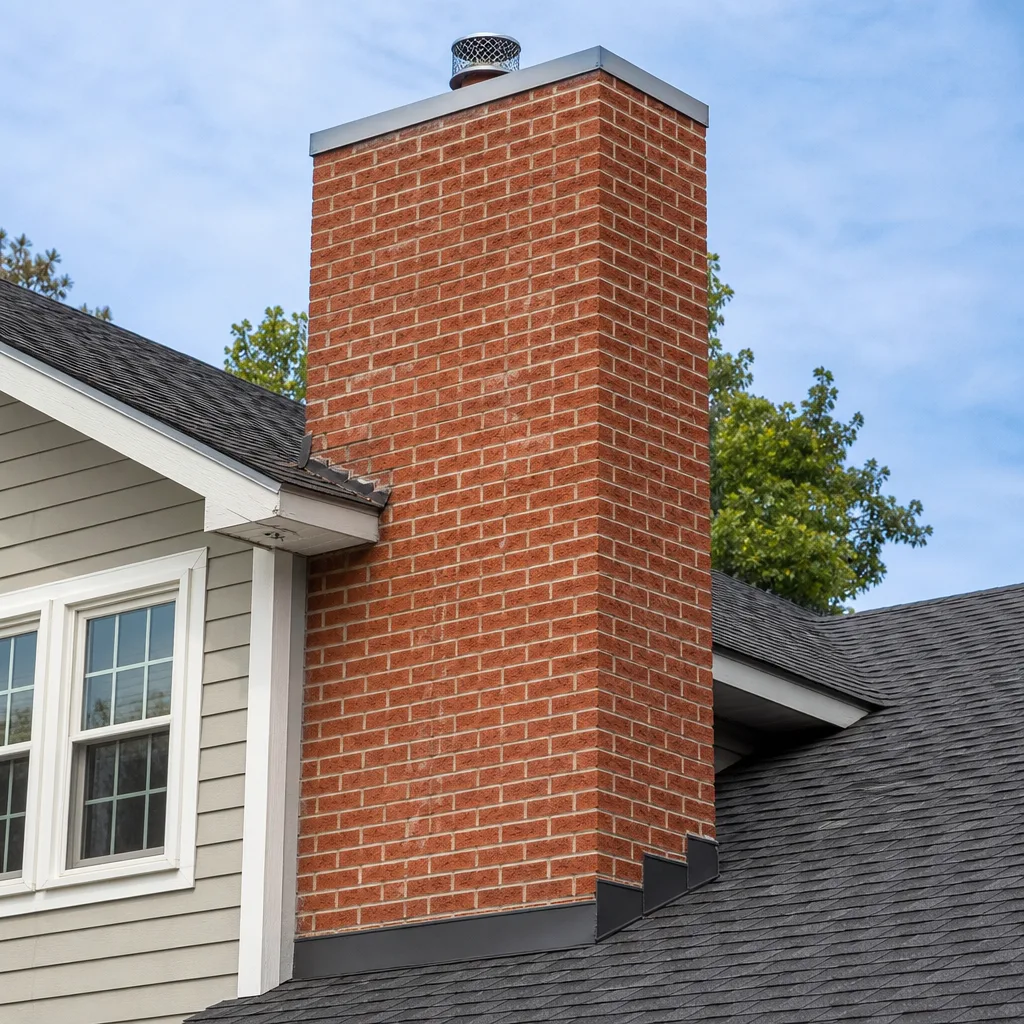
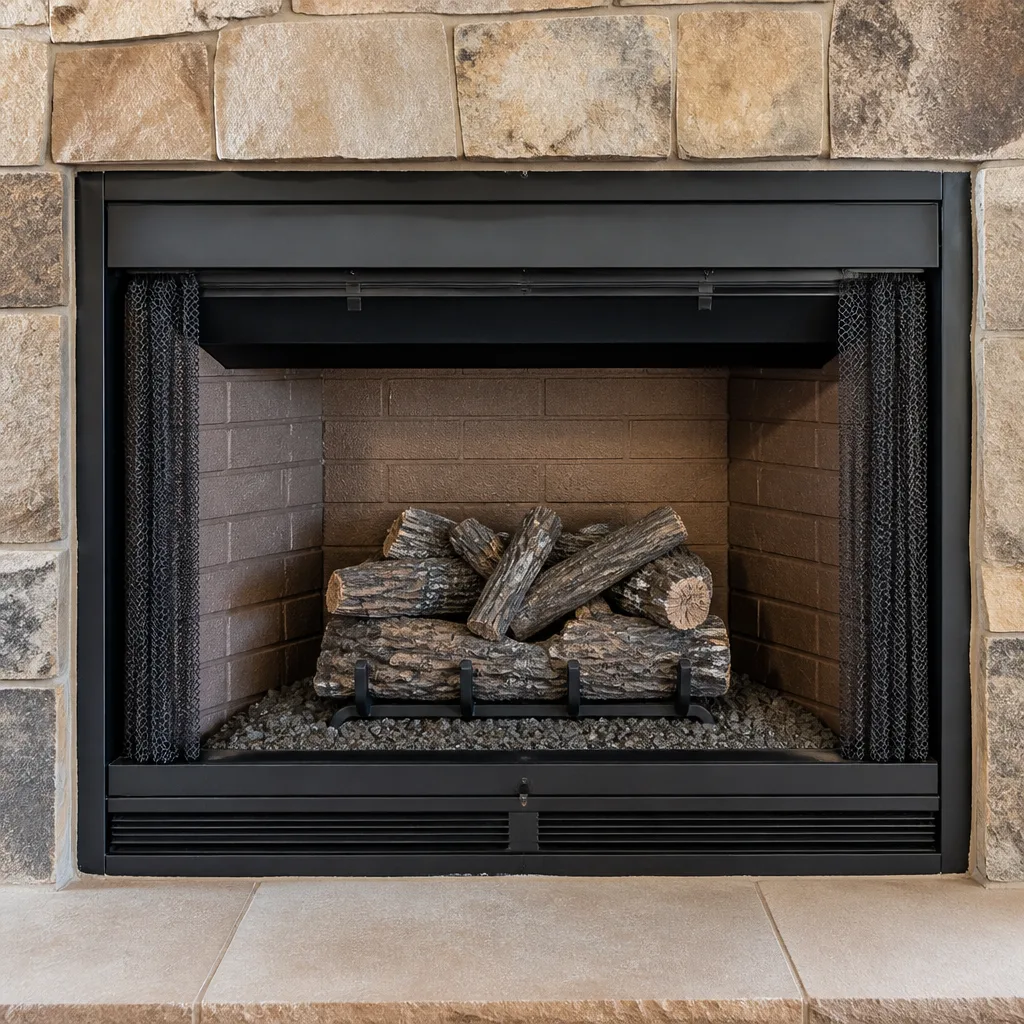
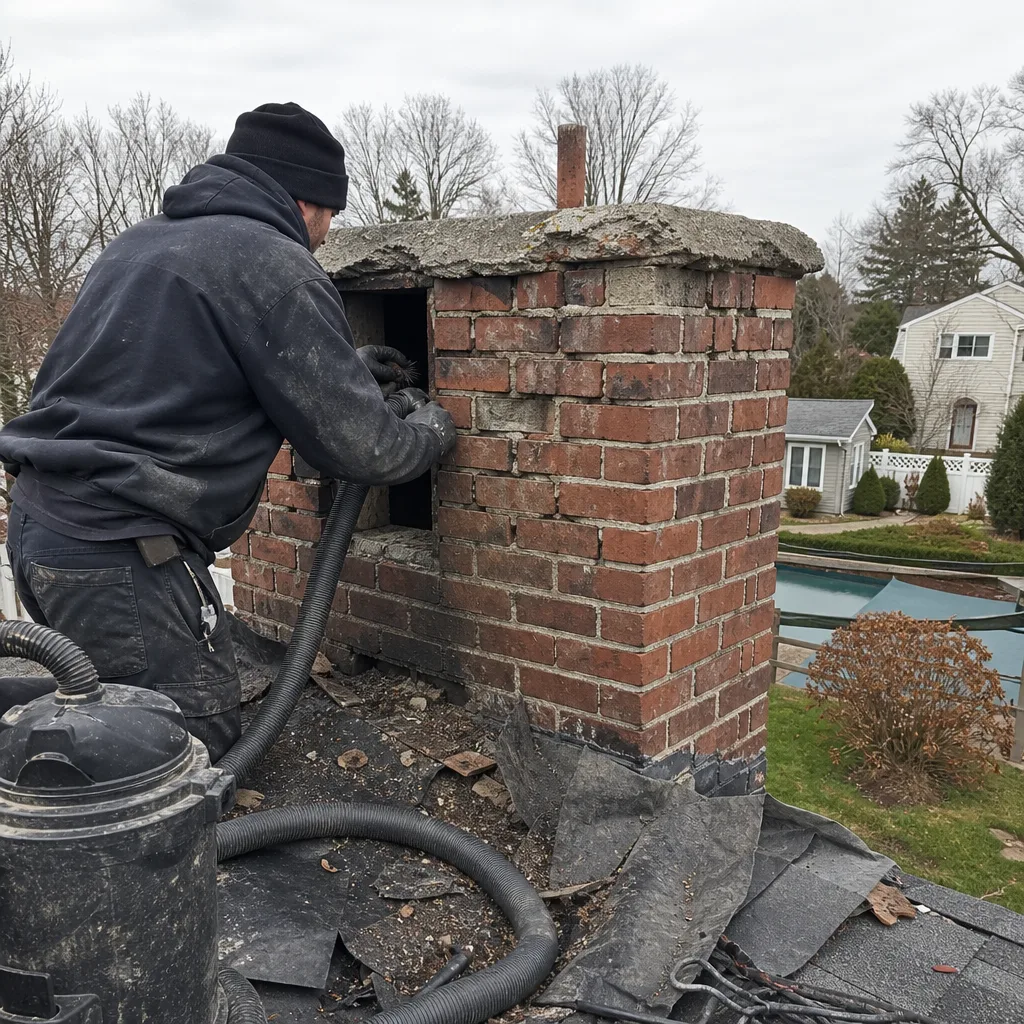 Before
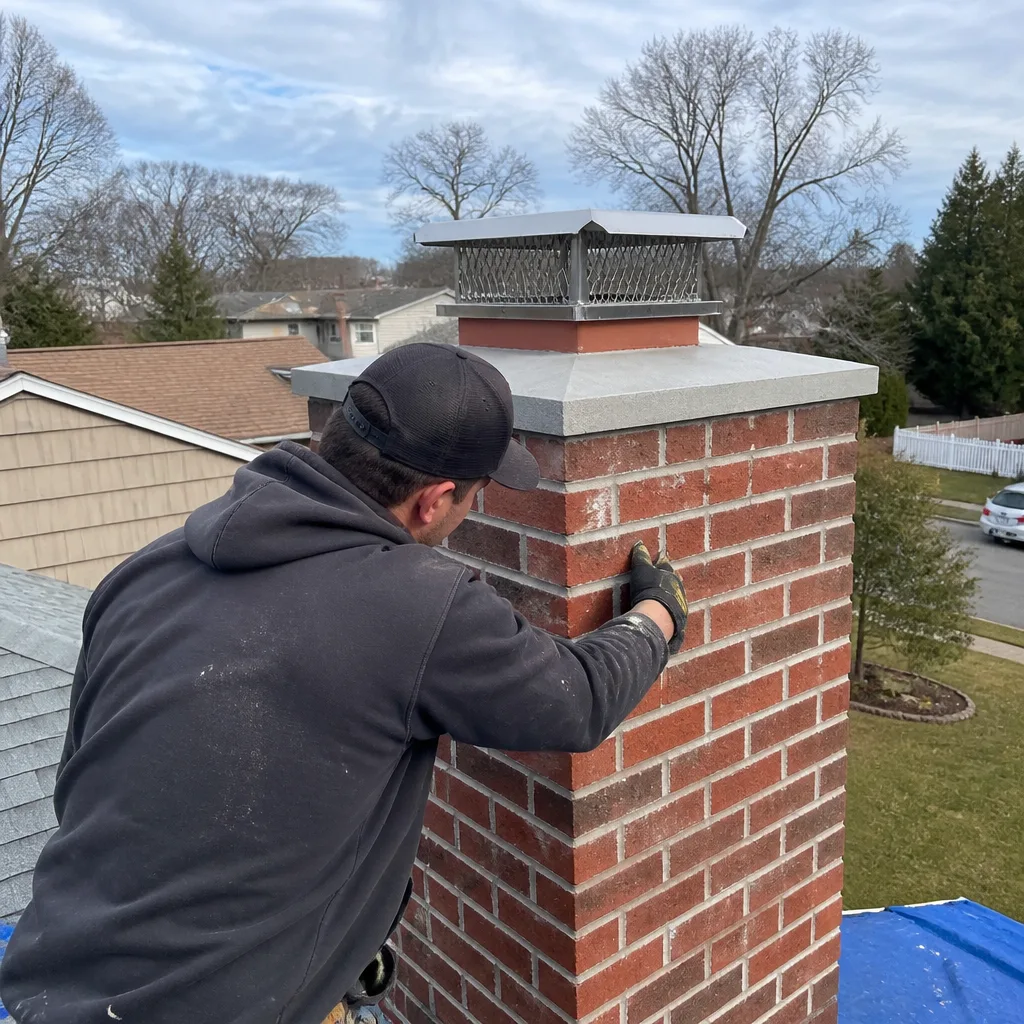 After
After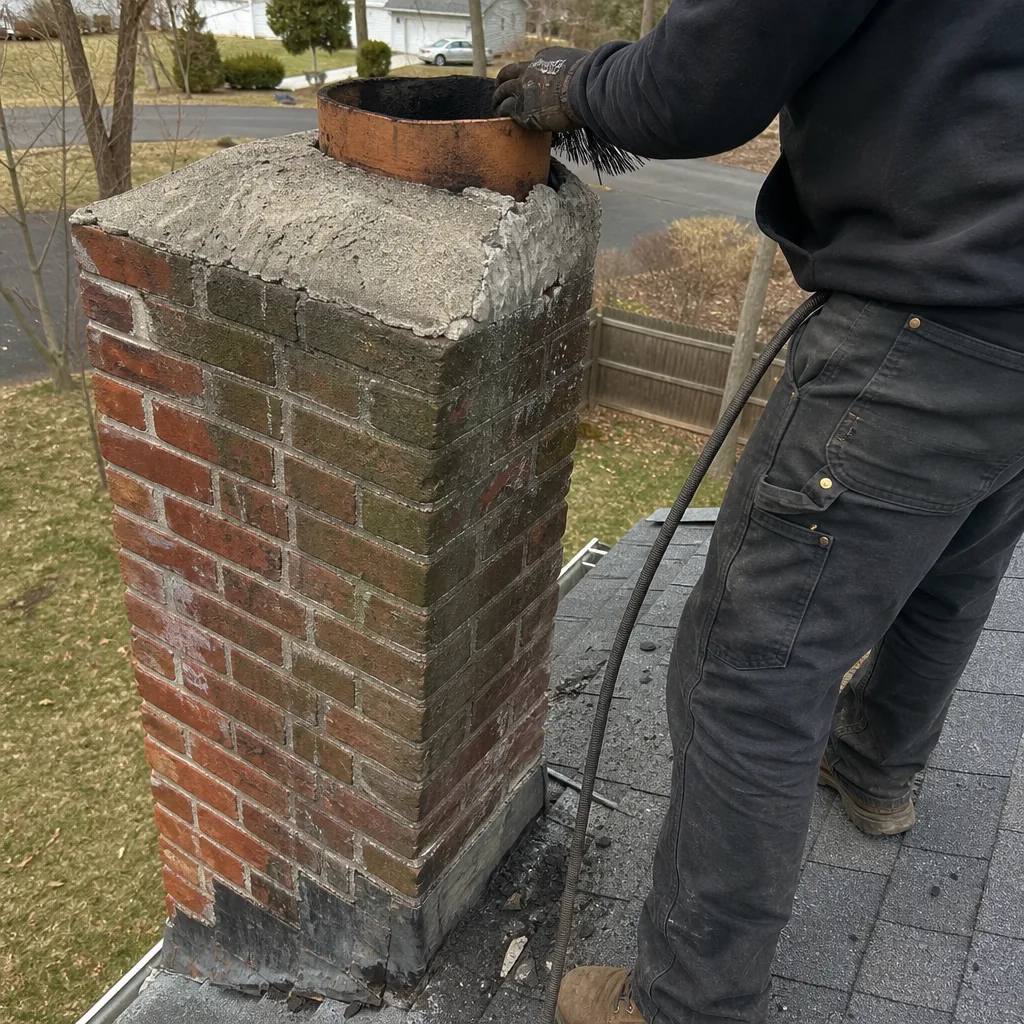 Before
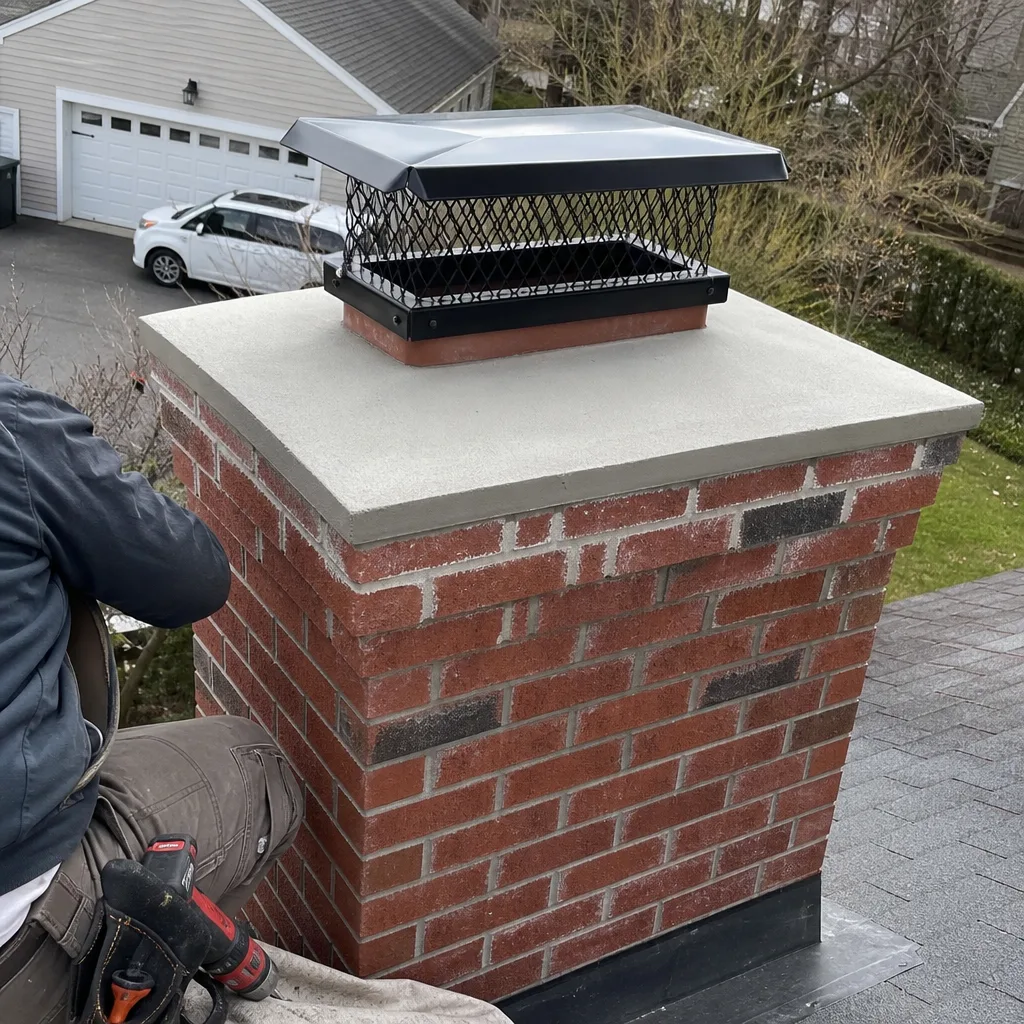 After
After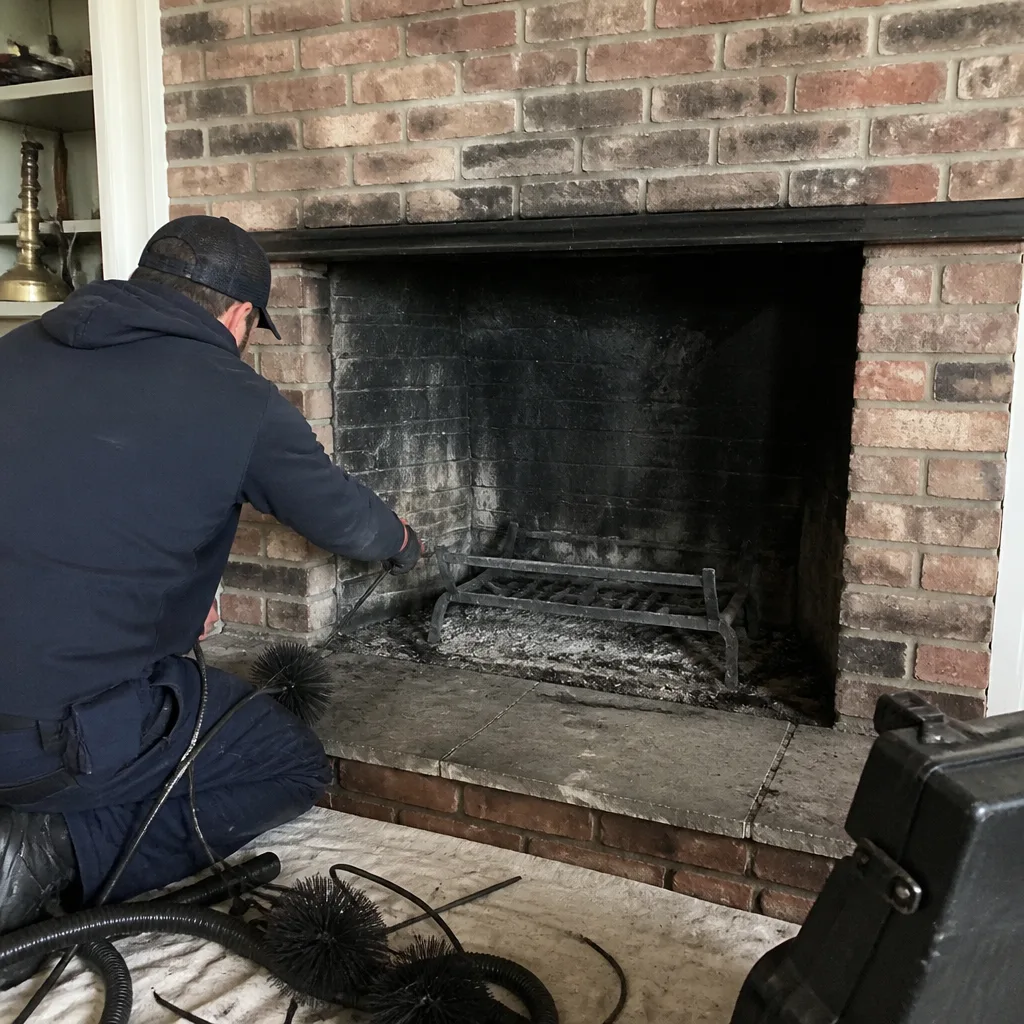 Before
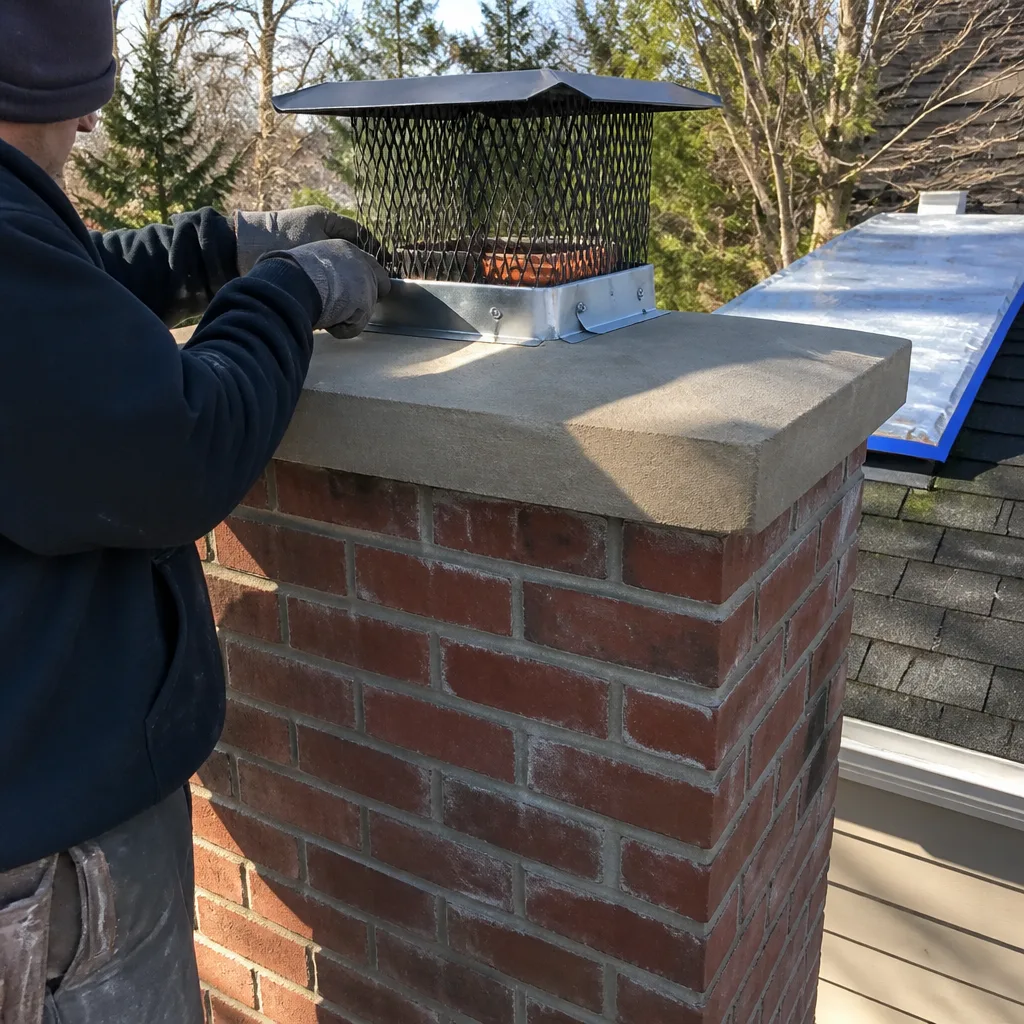 After
AfterDIY vs Professional Chimney Cleaning: The Northport Homeowner’s Decision Guide
Chimney cleaning brushes are sold at every hardware store in Northport, and the instructions make it look manageable. What they don’t show you is what Stage 2 creosote looks like, why it doesn’t brush off, and why attempting it without a HEPA vacuum makes the inside of your house unlivable for a day. In this guide, we’ll walk you through when a homeowner can safely handle light creosote buildup, the specific technical conditions that make DIY genuinely dangerous, and what a professional inspection reveals that you cannot see from the firebox or the roof. By the end, you’ll know exactly which category your chimney falls into, and what it will cost either way.
Quick Answer
A homeowner can safely clean light, flaky creosote from a simple, straight flue with proper equipment, but that describes fewer than one in five chimneys in Northport. Most local homes have offset flues, glazed creosote, or aging liners that make DIY cleaning ineffective at best and hazardous at worst. Professional chimney cleaning in Northport typically runs $175-$325 for a standard sweep with Level-1 inspection, and includes documentation that protects your insurance coverage; see our How to Hire a Chimney Cleaning Contractor in Northport: A Step-by-Step Guide to choose the right pro.
Table of Contents
- When DIY Chimney Cleaning Actually Makes Sense
- Real Equipment Costs: What Proper DIY Actually Requires
- The Technical Dangers DIYers Don’t See Coming
- What a Professional Sees That You Cannot
- Insurance, Liability, and the Documentation Gap
- Northport-Specific Factors: Climate, Codes, and Common Chimney Types
- Honest Cost Comparison: DIY vs. Professional
- Common Mistakes to Avoid
- When to Call a Professional
- Frequently Asked Questions
When DIY Chimney Cleaning Actually Makes Sense
We’ll start with the honest case for doing it yourself, because most chimney companies won’t. There are conditions where owner-cleaning is reasonable, and pretending otherwise undermines trust.
DIY chimney cleaning makes sense when all four of these conditions are met:
- The flue is straight and short. A single-story ranch with a direct vertical flue and no offsets is the only common residential configuration where a homeowner can reliably navigate a brush from top to bottom or bottom to top without getting stuck or leaving gaps.
- You burn only seasoned hardwood. Oak, maple, or ash that has been split and dried for at least 12 months produces light, flaky Stage 1 creosote that brushes off readily. If you’re burning pine, construction scraps, or anything labeled “seasoned” from a gas-station bundle, you’re producing sticky, tar-like deposits that DIY equipment cannot remove.
- You clean every 30-50 fires. Frequent light cleaning prevents buildup from hardening into Stage 2 glazed creosote, which requires chemical treatment or rotary equipment.
- You have the right equipment. Not a wire brush from the hardware store. A polypropylene brush sized exactly to your flue diameter, extension rods that lock positively, a HEPA vacuum rated for fine particulate, and a respirator with P100 filters. Creosote particles are carcinogenic. A shop vacuum will spew them through your living room.
In Northport, this profile fits some homes in the Harborfields area built in the 1960s and 1970s, particularly single-level ranches with original masonry fireplaces and homeowners who burn cordwood from local suppliers like those along Pulaski Road. Even then, we recommend a professional Level-1 inspection every two years to catch liner deterioration or crown cracks that no brush will reveal.
The moment any of those four conditions fails, DIY cleaning becomes either ineffective or risky. And here’s the problem: most Northport homeowners don’t know their creosote stage, their flue configuration, or their liner condition until they’re already committed to the job.
Real Equipment Costs: What Proper DIY Actually Requires
The hardware store brush-and-rod kit for $45 is not proper equipment. It’s a toy that will leave dangerous deposits in place and potentially damage a clay flue tile. Here’s what actual DIY chimney cleaning requires for safe, effective work:
| Item | Purpose | Approximate Cost |
|---|---|---|
| Polypropylene flue brush (sized to flue) | Mechanical removal of Stage 1 creosote without damaging tile | $35-$55 |
| Locking fiberglass extension rods (minimum 20 ft) | Reach full flue length without separation | $80-$120 |
| HEPA vacuum (true HEPA, not “HEPA-type”) | Contain carcinogenic fine particulate | $200-$400 or rental $45/day |
| P100 respirator with organic vapor cartridge | Protect lungs from creosote and soot | $35-$50 |
| Drop cloths, ladder stabilizer, safety glasses | Protect property and person | $75-$125 |
| Inspection mirror and flashlight | Visual verification of cleaning completeness | $25-$40 |
| Total proper DIY investment | $450-$790 |
Compare this to professional chimney cleaning and sweep in Northport at $175-$325, which includes the inspection, documentation, and disposal. The break-even point for DIY equipment is roughly three to four cleanings, assuming nothing breaks and your flue never presents a condition that requires professional intervention.
Most homeowners who call us have attempted DIY once, discovered glazed creosote or an offset they couldn’t navigate, and now own $500 in equipment they won’t use again. We’re not opposed to capable homeowners maintaining their own chimneys. We are opposed to the hardware store fiction that $45 and a Saturday afternoon is sufficient.
The Technical Dangers DIYers Don’t See Coming
This is where we part company with the cheerful DIY blogs. There are specific, technical scenarios where attempting your own chimney cleaning is genuinely dangerous, not merely suboptimal.
Glazed creosote (Stage 2 or 3). When creosote is heated repeatedly without removal, it melts and resolidifies into a hard, glassy coating that adheres to flue tiles like enamel. A standard brush will polish it, not remove it. Worse, the friction generates heat. We’ve seen DIYers create a chimney fire during “cleaning” because they ignited glazed deposits with aggressive brushing. Stage 2 creosote requires chemical treatment with a product like ACS or a rotary system with chains, operated by someone who can read the flue for heat response.
Offset flues. Many Northport homes, particularly the Dutch Colonials and split-levels built in the 1970s and 1980s in neighborhoods like Eatons Neck and Asharoken, have flues with intentional offsets to avoid structural elements. A rigid brush rod will jam at the offset, potentially breaking a tile or becoming stuck. Professional sweeps use flexible rods or rotary systems designed for navigation. We’ve extracted more than one homeowner’s broken equipment from a flue, and the extraction often costs more than the cleaning would have.
Damaged or missing flue liner. If a clay tile is cracked, displaced, or missing, a brush can catch the edge and worsen the damage. More critically, you may not know the liner is compromised until your brush punches through into the chimney wall, creating a direct path for combustion gases into your home. Carbon monoxide doesn’t announce itself.
Stainless steel or relined flues. If your chimney was relined with a flexible stainless liner, the wrong brush will damage it. We’ve replaced chimney liners in Northport that were shredded by homeowners using wire brushes meant for clay tile.
Roof access. Northport’s coastal climate means roofs are often damp or mossy well into spring. A steep-pitch colonial roof with a 28-foot ridge line is not the place to learn ladder safety. Falls from roof level are the leading cause of DIY home maintenance injury.
We do not provide step-by-step instructions for addressing these conditions because the correct step is to stop and call a professional. The K.E.Y.S. values we operate by, Krafted right, Every time, Your home first, Standing behind it, begin with knowing when a job exceeds safe homeowner scope.
What a Professional Sees That You Cannot
A homeowner looking up from the firebox sees darkness. A homeowner on the roof looking down sees more darkness, perhaps some soot. What a certified chimney professional sees with a Level-2 inspection is a documented, photographed, and measured condition report.
Our chimney cleaning and sweep in Northport includes a Level-1 visual inspection as standard. For older homes, homes with known issues, or real estate transactions, we perform Level-2 inspections using a camera system that travels the full flue length. The homeowner receives photos they can see and a plain-English verdict on what requires attention now, what can wait, and what is merely worth monitoring.
Here is what that camera reveals that no flashlight or mirror can:
- Hairline cracks in flue tiles that open under thermal stress during a heating season, creating pathways for sparks and gases
- Mortar joint erosion between tiles, which allows creosote to accumulate in gaps and accelerates deterioration
- Spalling or flaking tile surfaces that reduce flue diameter and increase creosote adhesion
- Evidence of previous chimney fires, visible as glazed, distorted, or heat-checked tile surfaces that homeowners often mistake for “just dirty”
- Obstructions from bird nests, squirrel caches, or collapsed liner sections that would stop a brush cold
- Water intrusion points at the crown or flashing that damage liners from the outside in
In Northport’s salt-air environment, we’ve found that water damage accelerates liner deterioration faster than inland Suffolk County. Homes within a half-mile of the harbor, particularly in the Village of Northport and along Bayview Avenue, show more rapid crown and liner degradation. A homeowner cannot assess this from visual inspection alone.
The documentation matters beyond immediate repair decisions. Insurance companies, home inspectors, and potential buyers increasingly request professional inspection records. A photo of a cracked flue tile with a dated report is evidence. A homeowner’s verbal assurance that “I clean it myself every year” is not.
Insurance, Liability, and the Documentation Gap
This section addresses the question homeowners rarely ask until it’s too late: what happens to your insurance position after a chimney fire if you have no professional cleaning record?
Homeowner’s insurance policies in New York State typically cover chimney fire damage as a sudden, accidental occurrence. What they increasingly dispute is whether the damage was preventable through reasonable maintenance. In the past five years, we’ve seen insurers request documentation of professional chimney maintenance when claims exceed $10,000. The absence of such documentation does not automatically void coverage, but it shifts the burden. The homeowner must demonstrate that the fire was not the result of neglected maintenance.
A DIY cleaning log, even a meticulous one, carries less weight than a dated invoice from a certified professional with inspection photos. This is not because insurers are hostile to DIY maintenance. It’s because a professional inspection creates a contemporaneous, third-party record of flue condition that a court or adjuster can review.
More critically, if a DIY cleaning attempt damages the flue, and that damage later contributes to a fire or CO incident, the insurer may characterize the damage as homeowner-caused rather than covered peril. We’ve been called to document flue condition after fires where the homeowner’s brush had cracked a tile months earlier, creating the pathway for the event.
For Northport homeowners who have carried the same policy for twenty years, this landscape has changed. Insurance underwriting has tightened. Documentation that was optional a decade ago is now frequently requested. The $200 professional cleaning with inspection report is, in this light, inexpensive protection against coverage disputes.
Russell Haines has testified as a chimney expert in insurance proceedings, and the pattern is consistent: professional documentation resolves claims faster and more favorably for the homeowner. Self-maintenance without documentation creates uncertainty that benefits no one but the insurer’s legal department.
Northport-Specific Factors: Climate, Codes, and Common Chimney Types
Northport is not every other Long Island village, and treating it as such produces incomplete advice. Here are the local factors that affect whether DIY cleaning is viable for your home.
Coastal salt air and freeze-thaw cycles. Northport’s position on the Long Island Sound means more salt-laden moisture, more rapid mortar deterioration, and more frequent freeze-thaw damage to crowns and caps than inland communities. A flue that was sound in October can show new spalling by March. This accelerates liner degradation and creates conditions that DIY cleaning cannot address and may worsen.
Age and construction of housing stock. The Village of Northport has homes dating to the 19th century, with chimneys built before liner standards existed. These unlined or parged flues are never candidates for DIY brushing. The post-war subdivisions off Laurel Hill Road and Bread and Cheese Hollow Road typically have clay tile liners from the 1950s-1970s, many now past their serviceable life. The 1980s and 1990s builds in Northport Heights and along Fort Salonga Road more commonly have factory-built metal chimneys, which require manufacturer-specific maintenance protocols.
Local fuel and burning patterns. Northport has active cordwood markets, but also many homeowners who burn compressed logs or switch between wood and gas inserts. Each fuel produces different creosote profiles. Gas burns cleaner but produces acidic condensation that deteriorates liners. Compressed logs burn hotter and can overdrive an older flue. A homeowner who doesn’t know their creosote type cannot select the right cleaning approach.
Town of Huntington code requirements. The Town of Huntington, which encompasses Northport, follows the NFPA 211 standard for chimney maintenance. While there is no annual inspection mandate for existing single-family homes, new installations and substantial repairs require permit and inspection. Professional sweeps in Northport work to this standard; DIYers are not required to, but failure to meet it becomes relevant in any insurance or liability proceeding.
Neighborhood-specific considerations. In Asharoken and Eatons Neck, where many homes are second residences or weekend properties, chimneys often sit unused for weeks, allowing moisture accumulation and accelerated deterioration. In the Village proper, tighter lot lines mean that a chimney fire is more likely to affect neighboring structures, increasing potential liability.
These factors don’t make DIY impossible. They make it conditional in ways that generic advice ignores. Fireplace services in Northport should account for local construction, local climate, and local burning patterns. Ours do.
Honest Cost Comparison: DIY vs. Professional
We’ve shown the equipment investment for proper DIY. Here is the complete financial picture, including the costs that don’t appear on the hardware store receipt.
| Cost Factor | DIY (Proper Equipment) | Professional Service |
|---|---|---|
| Initial equipment | $450-$790 | Included |
| Cleaning/sweeping | Your labor, 3-5 hours | $175-$325 |
| Inspection and documentation | Not typically performed | Included |
| Debris disposal | Your time and transport | Included |
| Damage from improper technique | $500-$4,000+ (liner replacement, tile repair, fire damage) | Covered by contractor’s insurance and 90-Day Done Right Promise |
| Insurance documentation value | Limited | Contemporaneous third-party record |
| First-year total | $450-$790 plus labor and risk | $175-$325 |
| Subsequent years (same equipment) | $0-$50 consumables plus labor and risk | $175-$325 |
The honest math: if you have a simple, straight flue, burn only seasoned hardwood, clean religiously every year, and never encounter an unexpected condition, DIY pays off after three to four years. That describes a minority of Northport chimneys. For everyone else, professional service costs less, carries no injury risk, and provides documentation that protects your insurance position. Browse more guides & resources to stay informed.
Our $89 Seasonal Tune-Up, available as a standing offer, makes the professional option even more accessible for straightforward maintenance. The $50 Off Any Repair Over $250 and permanent 5% Senior and Veteran discount further reduce costs for homeowners who need more than a basic sweep.
No-hassle upfront pricing means the number on the estimate is the number on the invoice. We’ve been answering the phone with a live person for over 42 years, and we’ve never believed in surprises on the bill.
Common Mistakes to Avoid
- Using a wire brush on clay flue tiles. Wire brushes score and weaken tile surfaces, accelerating spalling and creating collection points for creosote. Northport’s older clay liners are particularly vulnerable. Use polypropylene only.
- Cleaning from the bottom without roof access verification. You cannot verify that a brush has traversed the full flue length from below. Many DIYers believe they’ve cleaned the chimney when the brush stopped at an offset or obstruction twenty feet up.
- Skipping the HEPA vacuum. Creosote particles are fine enough to pass through standard vacuum filters and shop vacuums. We’ve been called to homes where DIY cleaning filled the living room with visible soot that took professional remediation to address.
- Assuming “no creosote” means “no problem.” A clean-looking flue can hide cracked tiles, eroded mortar, or liner gaps. In Northport’s salt-air environment, water damage often presents without significant creosote accumulation.
- Using the wrong brush size. A brush too small leaves deposits on the flue wall. A brush too large can jam or damage tiles. Flue diameter must be measured at multiple points; oval or deteriorated flues don’t match standard sizing.
- Ignoring the crown, cap, and flashing. Cleaning the flue without inspecting the crown is like changing your oil without checking for leaks. Northport’s freeze-thaw cycles destroy crowns that appear sound from below.
- Documenting nothing. If you do clean your own chimney, photograph everything: brush condition before and after, flue appearance from top and bottom, date and time. Without documentation, you have no evidence of maintenance performed.
When to Call a Professional
Call a professional sweep when any of the following apply: your flue has an offset or bend; you’ve ever burned unseasoned wood, pine, or construction materials; you haven’t had a professional inspection in two years; you see glazed, shiny, or tar-like deposits; your chimney is unlined or you don’t know if it’s lined; you’ve had a chimney fire or near-fire; you’re buying or selling the home; or you’re not comfortable on your roof with proper fall protection.
In Northport, Hearthstone Chimney Co. offers free estimates - call (631) 528-2501. Our background-checked, uniformed technicians complete most jobs in a single visit. We document every inspection with photos you can see and a plain-English verdict. Our 90-Day Done Right Promise, in writing with no arguing, means if it’s not right, we make it right. We’ve been serving local communities for over 42 years, and we plan to be here when your chimney needs us next.
Frequently Asked Questions
Professional chimney cleaning in Northport typically costs $175-$325 for a standard sweep with Level-1 inspection. A Level-2 camera inspection adds $100-$200. Our $89 Seasonal Tune-Up provides an accessible entry point for straightforward maintenance. Call (631) 528-2501 for an exact quote - estimates are free.
The NFPA 211 standard recommends annual inspection, with cleaning frequency determined by use and creosote accumulation. In Northport, most wood-burning chimneys need sweeping after every cord of wood burned, or annually if used regularly. Gas fireplaces require less frequent cleaning but still need annual inspection for condensation damage. Call us to assess your specific burn pattern.
No. Standard shop vacuums do not capture the fine particulate in creosote and soot; they redistribute it through their exhaust. Only a true HEPA vacuum with sealed filtration is appropriate, and even then, proper containment protocol is essential. Most homeowners find that renting or buying proper equipment eliminates any DIY cost advantage.
A reputable company shows you camera evidence and explains the specific failure mode. At Hearthstone Chimney Co., nothing is recommended without photos you can see and a plain-English verdict. Clay tile liners typically last 50-75 years but can fail earlier from chimney fires, water damage, or poor construction. Stainless steel liners from DuraFlex or Olympia Chimney, installed professionally, carry warranties we document in writing. If you’re uncertain, our Free Second Opinion on any written estimate provides clarity without pressure.
Skipped cleaning allows creosote to accumulate and harden, increasing fire risk and reducing draft efficiency. In Northport’s climate, moisture accumulation during unused periods accelerates liner and mortar deterioration. The cost of deferred maintenance typically exceeds the cost of regular cleaning; a chimney fire or CO incident carries costs that no homeowner should face. Annual professional inspection catches conditions before they become emergencies.
Professional chimney sweeping should not be messy. Our technicians use HEPA vacuums, drop cloths, and containment protocols that leave your home as clean as we found it. DIY cleaning, by contrast, frequently creates soot dispersion that requires professional remediation. The difference is equipment and training. If you’ve experienced a messy sweep from another company, we encourage you to try the Hearthstone standard.
The Bottom Line
DIY chimney cleaning is possible for a narrow subset of Northport homes: simple straight flues, seasoned hardwood burning, proper equipment, and willingness to accept the risks and documentation gaps. For the majority of local chimneys, professional service costs less than proper DIY setup, eliminates injury and damage risk, and provides insurance-protecting documentation. The critical question is not whether you can clean your own chimney, but whether you know enough about its internal condition to make that decision safely. Most homeowners don’t, and the cost of discovering otherwise can be severe.
At Hearthstone Chimney Co., we’ve built our practice on showing homeowners what they cannot see, explaining it plainly, and standing behind our work with the 90-Day Done Right Promise. No arguing, no paperwork, just the job done right. If you’re uncertain about your chimney’s condition, call (631) 528-2501 for a free estimate. We’ll be there when we say, and you’ll have photos you can see and a verdict you can understand.
Written by Russell Haines, Owner at Hearthstone Chimney Co., serving Northport since 2014.