
Last updated September 10, 2026
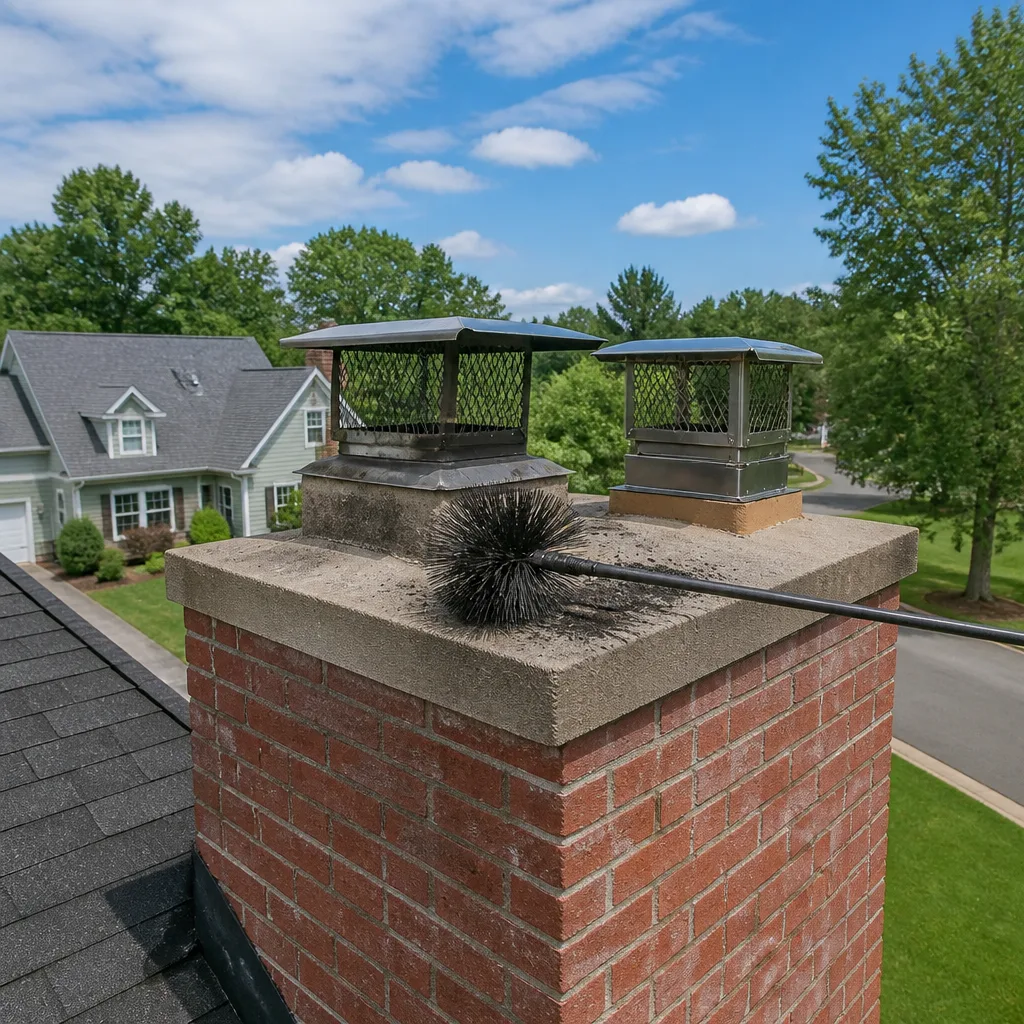
Level 1 sweep and inspection to the NFPA 211 annual standard - flue, crown, cap, and flashing checked and photographed
Chimney sweep logs do not sweep chimneys. They loosen some creosote - which then falls where a brush and vacuum still have to collect it.
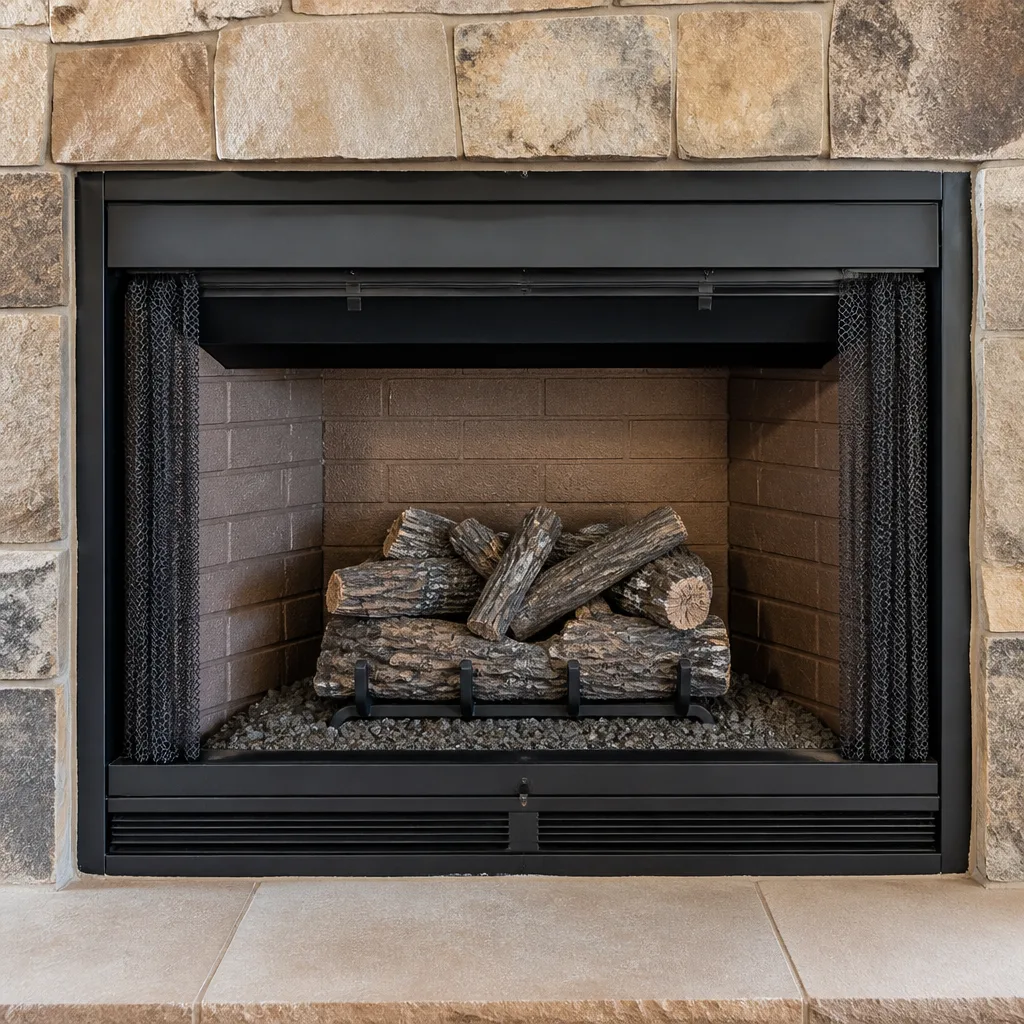
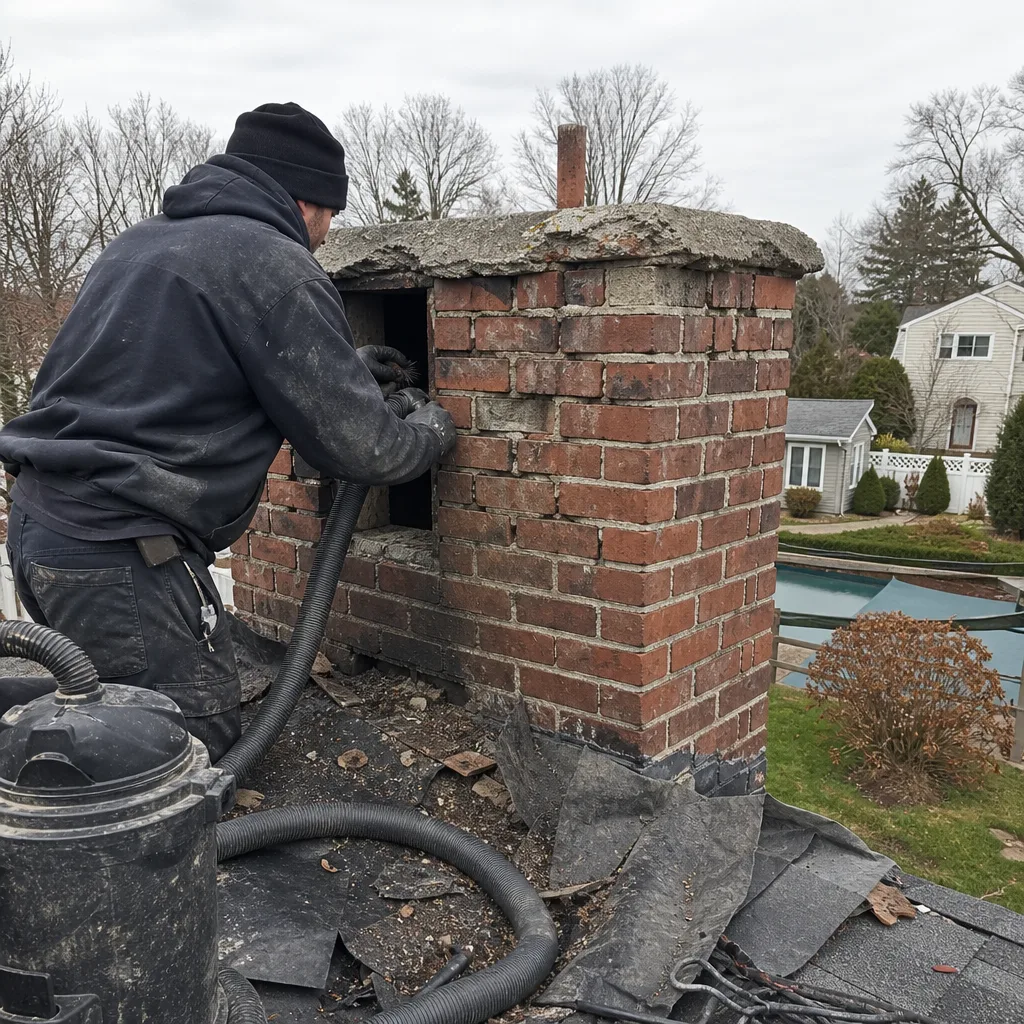 Before
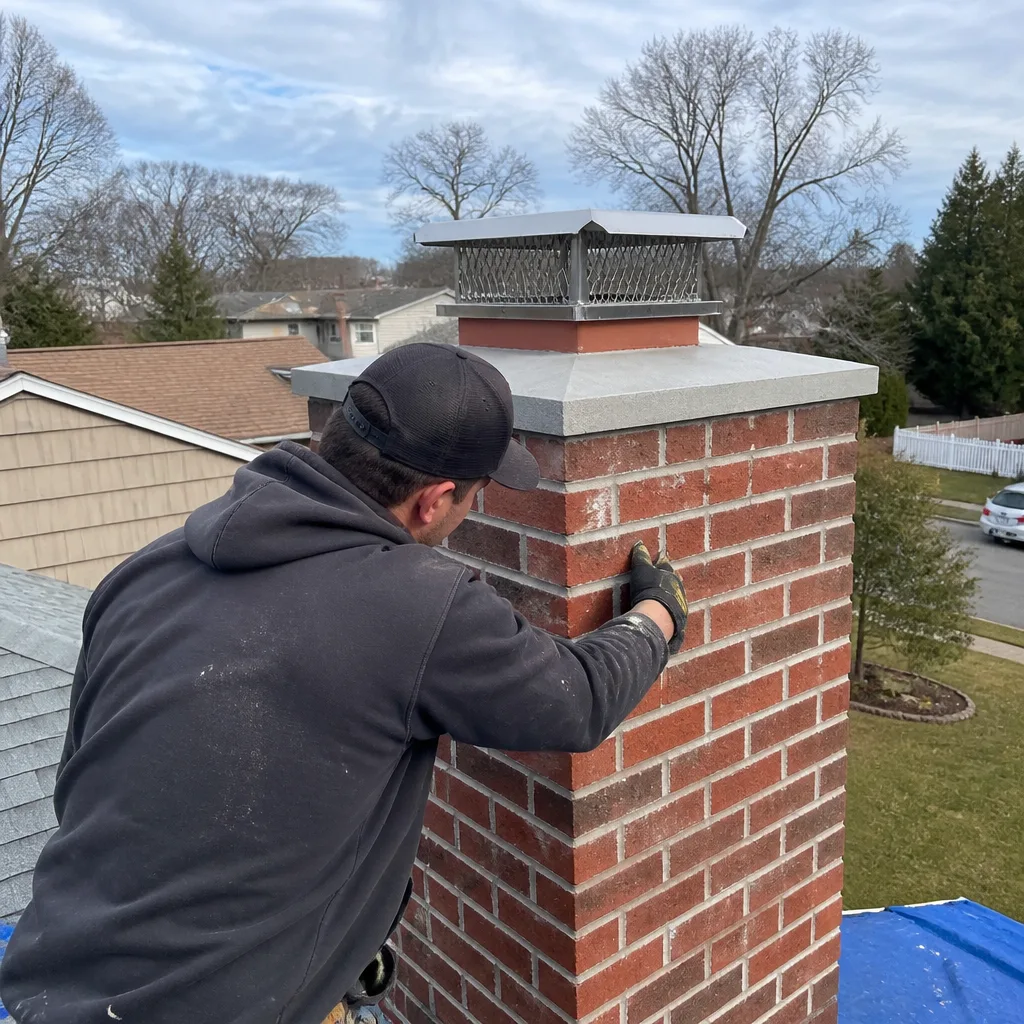 After
After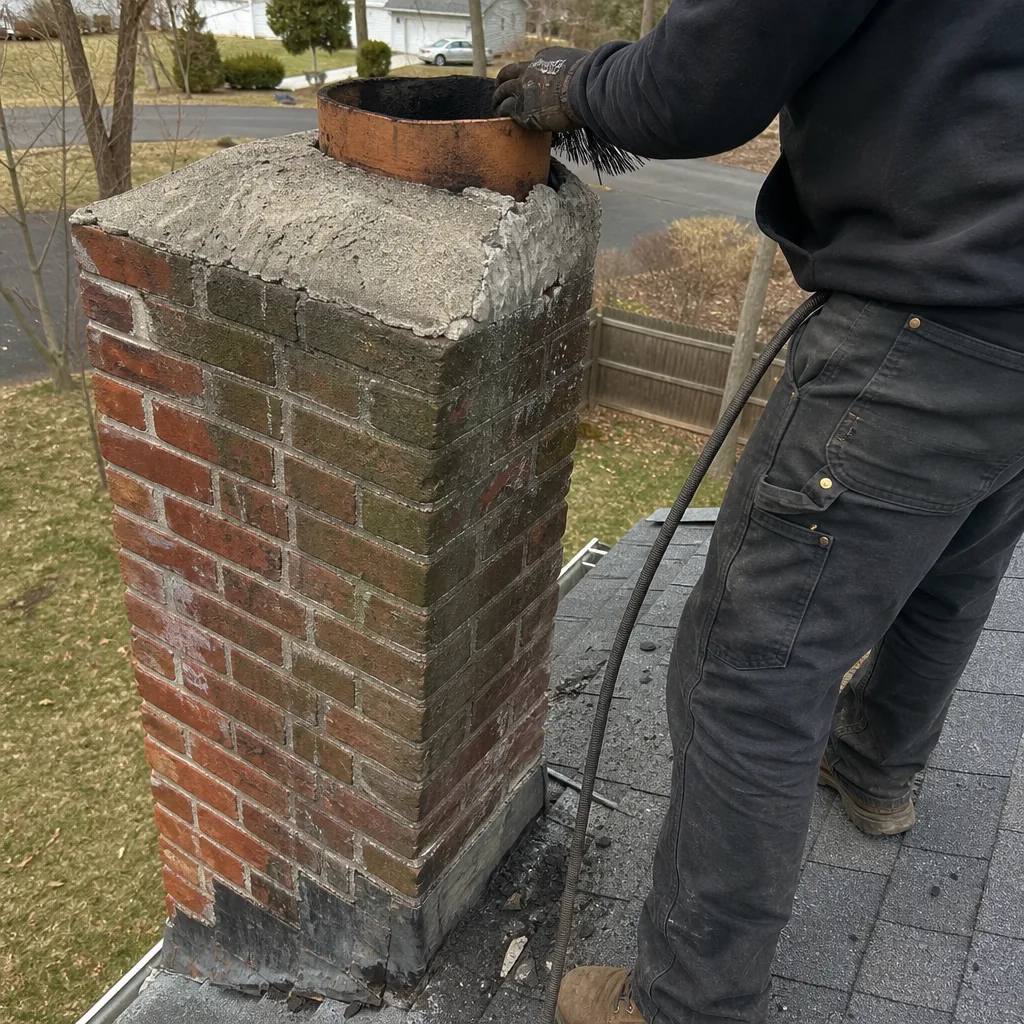 Before
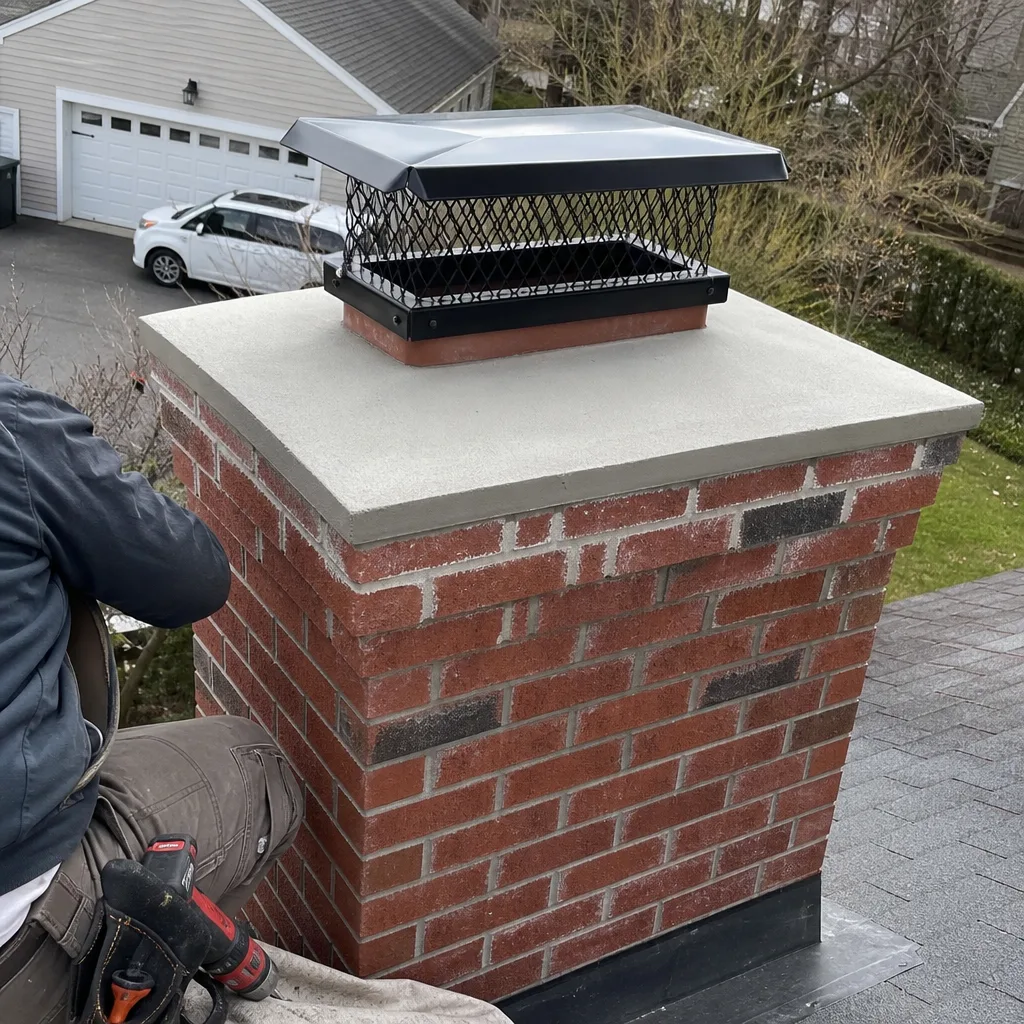 After
After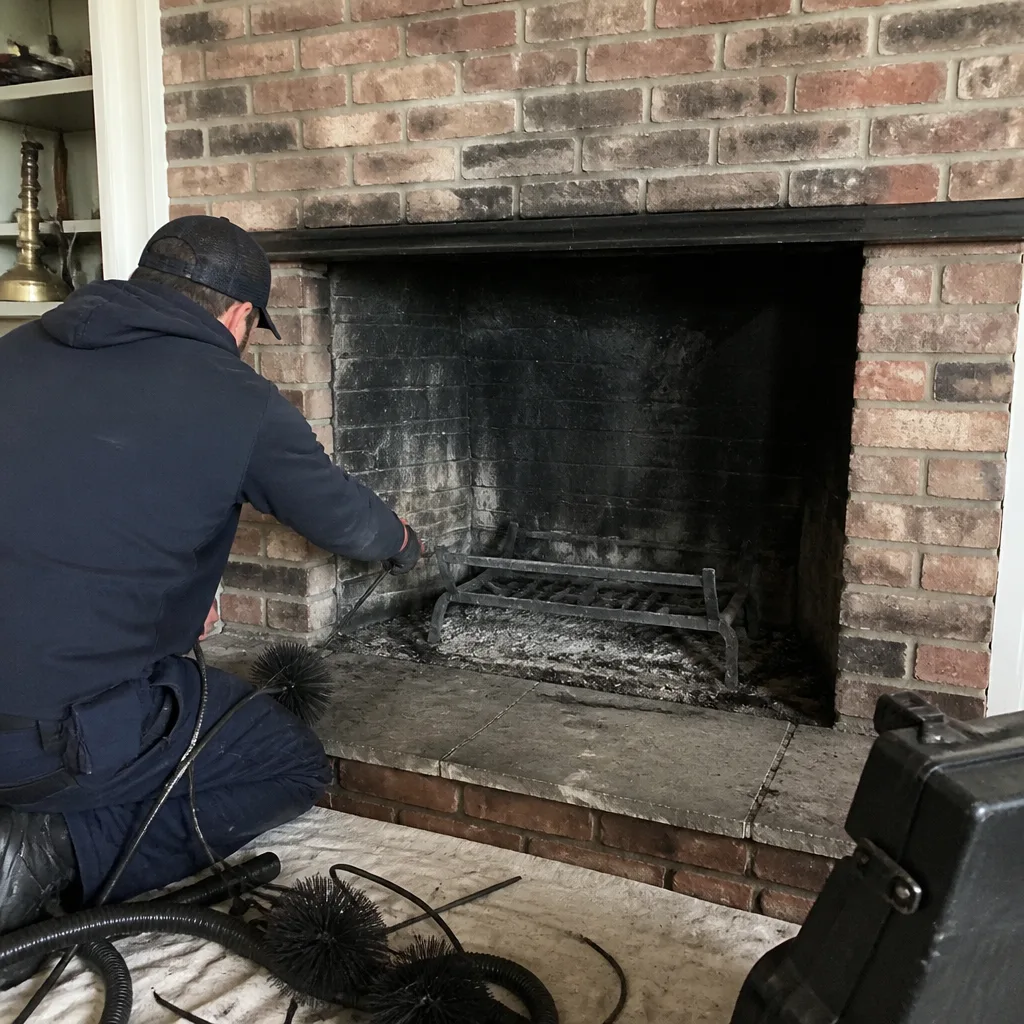 Before
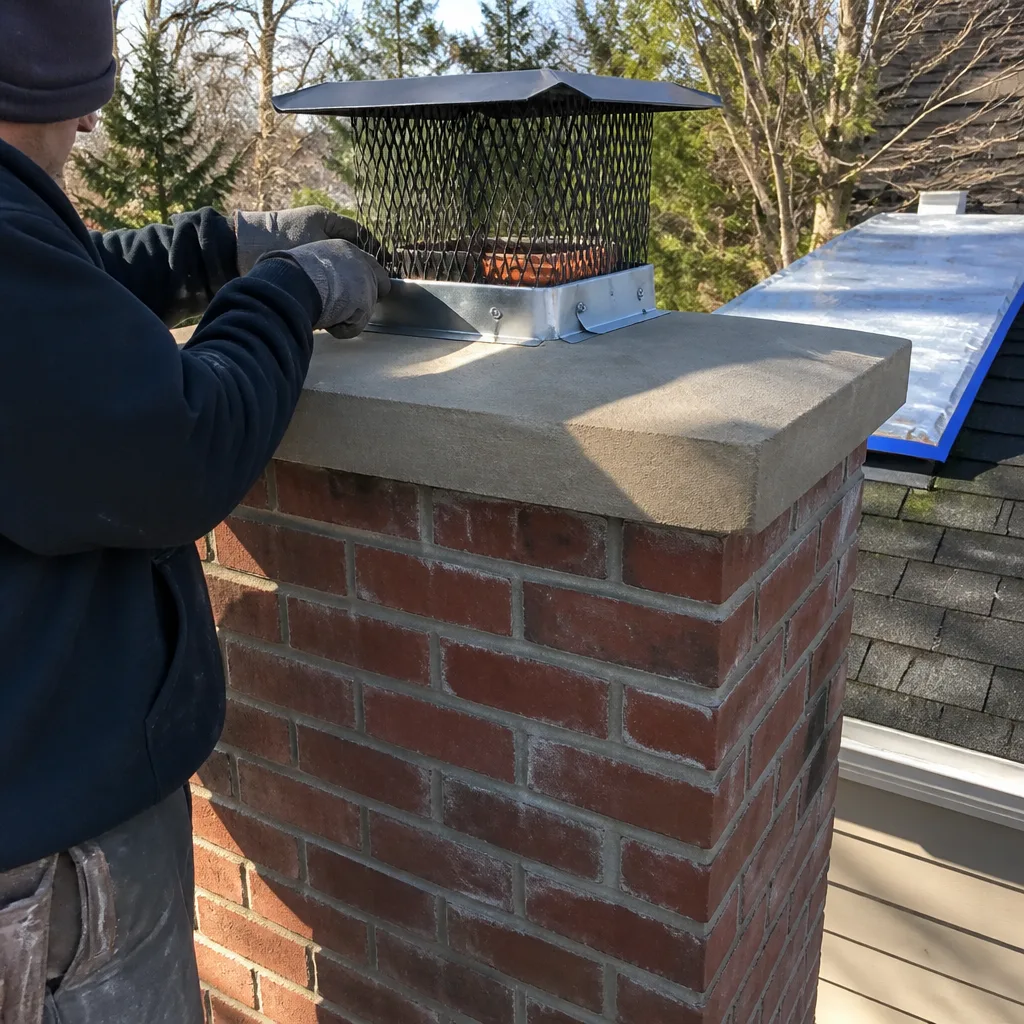 After
AfterSeasonal Chimney Cleaning Care for Northport: Year-Round Homeowner’s Guide
The homeowners who call us in November with an emergency are almost always the ones who assumed nothing was happening to their chimney in July. Something is always happening. In Northport, where Long Island Sound salt air meets freeze-thaw winters and humid summers, your chimney is under constant stress even when the fireplace sits cold. After 42 years of sweeping chimneys from Eaton’s Neck to Asharoken, we’ve learned that the families who stay ahead of the calendar - who treat chimney care as a year-round discipline, not a November afterthought - are the ones who never face a midnight emergency call. This guide walks through what your chimney needs in every season, why Northport’s coastal climate changes the timeline, and the specific warning signs that mean pick up the phone now. For more guides & resources, see our blog.
Quick Answer
Northport homeowners should schedule chimney sweeping in early fall before the first fire, inspect for winter damage in spring, address moisture and animal intrusion in summer, and monitor for creosote buildup and draft problems during burn season. See our Chimney Cleaning & Sweep Maintenance Checklist for Northport Homeowners for the complete schedule. Salt air from Long Island Sound accelerates metal corrosion and masonry deterioration, making twice-yearly visual checks - not just annual sweeping - the safer practice for coastal homes.
Table of Contents
- Spring: Assessing Winter’s Damage
- Summer: The Hidden Season of Chimney Trouble
- Fall: Why We Sweep Before First Use, Not After Last
- Winter: What to Watch During Burn Season
- How Salt Air Changes Everything in Northport
- A Practical Year-Round Maintenance Calendar
- Common Mistakes to Avoid
- When to Call a Professional
- Frequently Asked Questions
Spring: Assessing Winter’s Damage
By March, most Northport families have pushed the fireplace from mind. The flue has cooled. The tools are back in the corner. This is exactly when we find the damage that winter hid.
Northport’s position on the North Shore means our freeze-thaw cycles are more aggressive than inland Suffolk County. Moisture penetrates brick and mortar during January thaws, then expands when temperatures drop below 32 degrees. Over a single winter, this cycle can repeat dozens of times. The result is spalling - brick faces that flake and crumble - and efflorescence, that white powdery bloom of mineral salts on the exterior masonry. Both are early warnings that water is getting in, and both accelerate dramatically in homes within a half-mile of the water.
Here’s what we check every spring in Northport homes:
- Damper operation. A damper that stuck once in January and was forced open may now seal poorly. A damper that won’t fully close wastes conditioned air all summer.
- Firebox integrity. Heat stress from winter burning reveals itself in hairline cracks that widen with spring humidity. We photograph these during our chimney cleaning & sweep in Northport so homeowners can see exactly what we see.
- Crown condition. The concrete crown at the top of your chimney takes the worst of winter weather. In Northport, we’ve replaced crowns on 15-year-old homes that should have lasted 30, simply because salt air accelerated the deterioration.
- Flue liner inspection. Our Level-2 camera inspection runs the full length of the flue, documenting any gaps, gaps, or deterioration that winter fires may have worsened.
Spring is also when we document everything. Photos you can see, a plain-English verdict. If a repair can wait until fall, we say so. If it can’t, we explain why. No surprises on the bill - the number on the estimate is the number on the invoice.
Summer: The Hidden Season of Chimney Trouble
Summer is when Northport chimneys suffer in ways that don’t announce themselves until October. The combination of Long Island Sound humidity, warm air settling in the flue, and occasional summer storms creates conditions for accelerated deterioration - and for visitors you cannot legally remove.
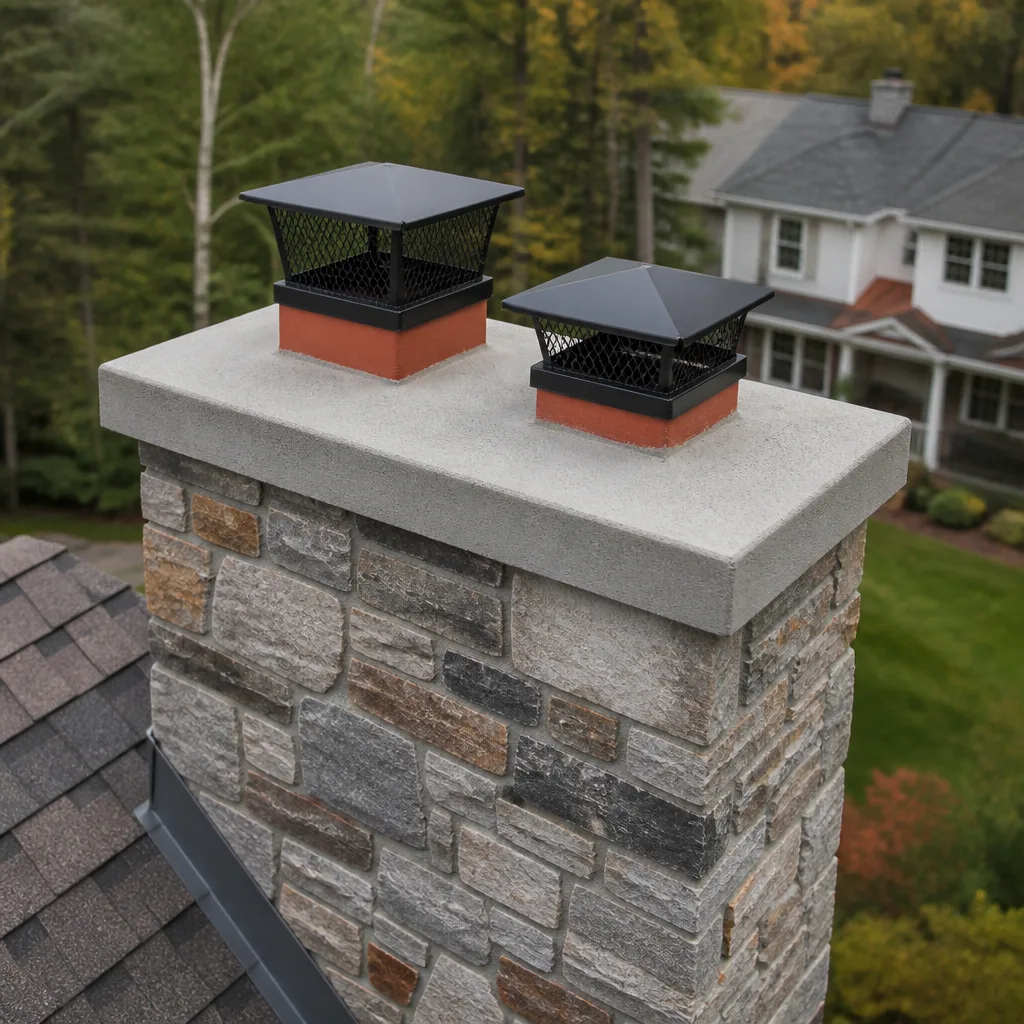
Chimney swifts. These small, cigar-shaped birds are federally protected under the Migratory Bird Treaty Act. They arrive in Northport in late April and early May, and they love uncapped chimneys. Once a swift builds a nest and lays eggs, you cannot disturb it until the young have fledged, typically by mid-August. We’ve had Northport homeowners call us in June wanting immediate service, and we’ve had to explain that federal law ties our hands until the birds leave. The solution is simple: a properly fitted chimney cap installed before spring migration. We use caps from Famco and Copperfield, specified to your flue size, with mesh small enough to exclude swifts but large enough to maintain proper draft.
Humidity damage. A flue that sits unused all summer becomes a condenser. Warm, moist air rises from the house, hits the cooler masonry, and deposits moisture on the liner surface. Clay tile liners absorb this moisture; stainless steel liners can corrode if condensation pools at joints. In Northport’s summer humidity, we’ve opened flues in September to find significant moisture staining that wasn’t present in May. A summer inspection - even a brief visual check - catches this before it becomes a fall emergency.
Storm damage. Summer thunderstorms on the North Shore can drive water past deteriorated flashing, wash debris into uncapped flues, and loosen chimney caps with wind gusts. After any significant storm, a ground-level visual inspection takes two minutes and can save thousands in water damage repair.
Summer is also the ideal season for major repairs. Liner replacement, crown rebuilding, and masonry repointing all cure better in warm, dry conditions. Scheduling in July or August means your chimney is ready when you want that first October fire. Chimney repair in Northport booked in summer is chimney repair done right - and we stand behind it.
Fall: Why We Sweep Before First Use, Not After Last
This is the point where we part company with conventional wisdom. Most homeowners think: sweep after the last fire of the season, when the creosote is fresh and easy to remove. We understand the logic. It’s wrong for Northport.
Creosote is not inert. It continues to chemically change after deposition. Fresh, flaky Stage 1 creosote - the kind that brushes off easily - hardens over summer into Stage 2 tar-like glaze, and eventually into Stage 3 glazed creosote that requires chemical treatment or rotary removal. The longer creosote sits, the harder and more flammable it becomes. A flue swept in March contains creosote that has been hardening for five months. A flue swept in September contains creosote that has been hardening for eleven.
More critically, sweeping before first use gives us the chance to inspect the entire system when it’s clean and accessible. We can run our camera the full flue length without soot obscuring the view. We can verify damper function, check for animal nests, and confirm that summer humidity hasn’t compromised the liner. If we find damage, there’s time to repair before cold weather arrives.
Our fall protocol for Northport homes:
- Level-2 inspection with camera. Every fall, before first use, we document the flue interior, smoke chamber, and firebox with photos the homeowner can see.
- Mechanical sweeping. We match the brush to your flue liner - poly for stainless steel, wire for clay tile - and collect all debris with HEPA vacuum containment.
- Exterior assessment. Crown, cap, flashing, and masonry condition, with specific attention to salt-air corrosion patterns we see in Northport’s coastal zones.
- Written verdict. Plain English, no jargon. If the system is sound, we say so. If repairs are needed, we prioritize by safety and urgency, and we explain what can wait.
The $89 Seasonal Tune-Up we offer every fall includes this full inspection and sweep. It’s not a loss-leader to find imaginary problems. It’s how we’ve built a 42-year reputation in communities like Northport: by doing the thing correctly, documenting it, and standing behind it with our 90-Day Done Right Promise in writing, no arguing.
Winter: What to Watch During Burn Season
Once the fire is burning, your job shifts from prevention to vigilance. Most chimney fires and carbon monoxide incidents in Northport happen between December and February, and most are preventable if homeowners know what to watch for.
Stop using the fireplace and call immediately if you observe:
- A loud cracking or popping noise from the chimney, or a rumbling sound like a distant train - these are the sounds of a chimney fire
- Smoke entering the room instead of drafting up the flue, especially if this is new behavior
- Visible flames or glowing material at the top of the chimney
- A strong, acrid odor that persists after the fire is out
- Carbon monoxide detector activation - treat every alarm as real, ventilate the house, and call us before using the fireplace again
Monitor weekly during heavy use:
- Buildup of soot or creosote on the glass doors (indicates incomplete combustion, often from wet wood or poor draft)
- Discoloration of the firebox walls or smoke chamber (indicates overheating or liner failure)
- Drafts that reverse when the furnace or kitchen exhaust runs (indicates negative pressure problems common in tighter Northport homes built after 1990)
Winter is not the time for DIY chimney maintenance. The flue is hot, the roof is slippery, and the consequences of error are severe. If you suspect a problem, call us. A live person answers every call, 24 hours a day, 7 days a week - not a voicemail, not a callback queue. We’ll talk through what you’re seeing and determine if it’s an emergency, a same-week concern, or something to schedule for spring.
For fireplace services in Northport during burn season, we prioritize safety calls and keep emergency slots open. Most jobs are completed in a single visit by background-checked, uniformed technicians. Done right - and we stand behind it.
How Salt Air Changes Everything in Northport
Here’s what our competitors in Commack or Smithtown often miss: Northport’s proximity to Long Island Sound creates a microclimate that accelerates chimney deterioration by 30 to 50 percent compared to inland locations. We’ve measured this. We’ve replaced caps and flashing on Northport homes at half the expected service life of identical installations in Central Islip.
Specific corrosion patterns we observe:
Stainless steel liners: Even 316Ti stainless, the industry standard for chimney liners, can show pitting corrosion in Northport’s salt air within 8-12 years rather than the 15-20 expected inland. We specify DuraFlex and Olympia Chimney liners with enhanced corrosion resistance for homes within a mile of the water, and we inspect these installations more frequently.
Chimney caps and crowns: The combination of salt spray, freeze-thaw, and summer humidity destroys concrete crowns faster than freeze-thaw alone. We see spalling and cracking in Northport that would take five more years to develop in Hauppauge. Our crown repairs use professional-grade materials formulated for marine exposure, not standard masonry mix.
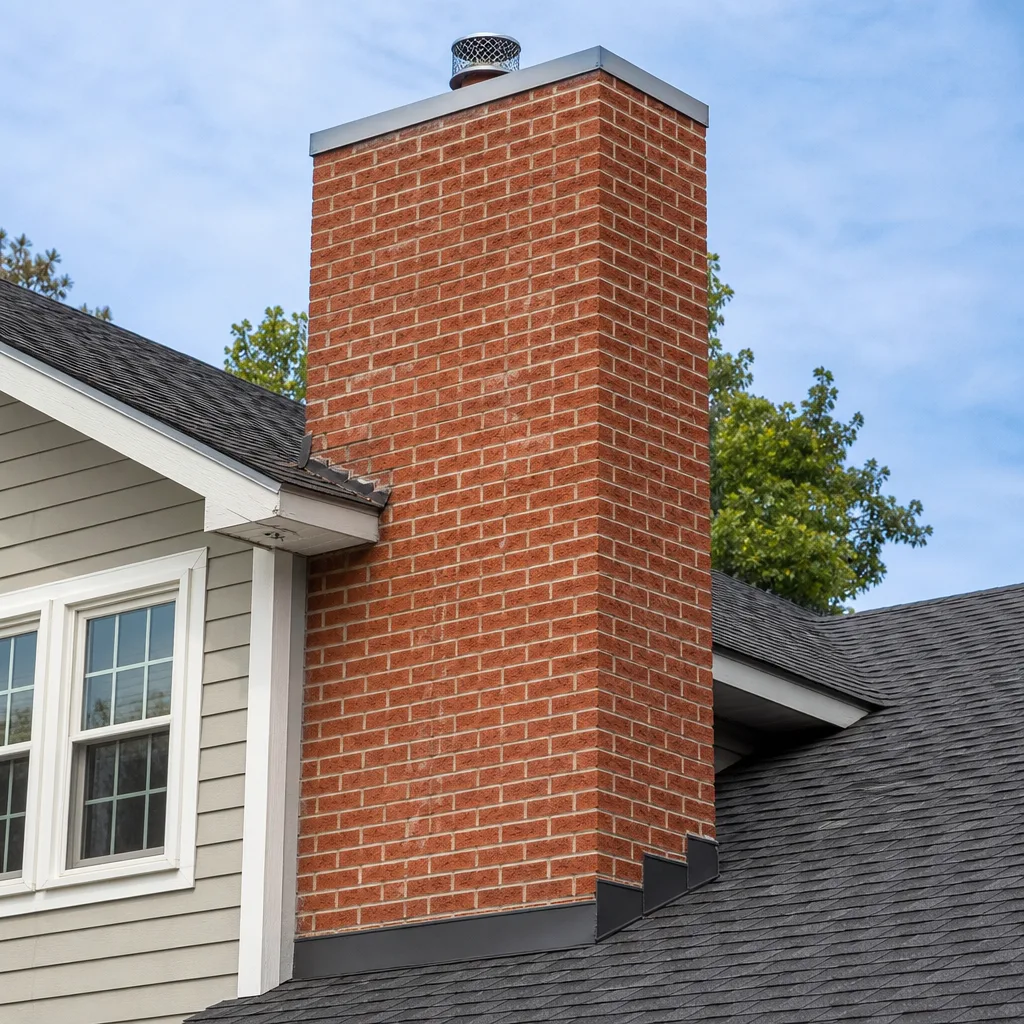
Flashing: Step flashing and counterflashing where the chimney meets the roof are particularly vulnerable. Salt air corrodes galvanized steel and even aluminum; we see leaks in Northport that trace directly to flashing failure at 10-12 years. When we replace flashing, we use materials rated for coastal exposure and we inspect at 5-year intervals rather than the standard 10.
Recommended inspection interval for Northport coastal homes:
| Component | Inland Interval | Northport Coastal Interval |
|---|---|---|
| Full Level-2 inspection | Annual | Annual (fall, before first use) |
| Visual exterior check | Annual | Spring and fall |
| Cap and crown assessment | Every 2-3 years | Annually |
| Flashing inspection | Every 5 years | Every 3 years |
| Stainless liner camera check | Every 3-5 years | Every 2-3 years |
This isn’t upselling. This is what 42 years of looking at Northport chimneys has taught us. The families in Crab Meadow and Fort Salonga who follow this schedule don’t call us in January with emergencies. They call us in September to confirm everything is sound, then they enjoy their fires in peace.
A Practical Year-Round Maintenance Calendar
Here’s the calendar we recommend for Northport homeowners, based on what we’ve seen work over four decades. Adjust slightly for your specific location - homes on Eaton’s Neck or Asharoken experience more salt exposure and may need the more frequent end of each range.
March-April (Spring Assessment)
- Schedule post-winter inspection: damper, firebox, crown, exterior masonry
- Review any issues documented during fall service
- Plan major repairs for summer scheduling
May-June (Early Summer)
- Confirm chimney cap is secure and mesh intact before swift nesting season
- Visual check after spring storms
- Address any moisture or odor concerns from humid weather
July-August (Late Summer)
- Execute major repairs: liner replacement, crown rebuild, masonry repointing
- Book fall sweeping appointment (our calendar fills by late August)
- Final cap inspection after swift nesting season ends
September-October (Pre-Season)
- Level-2 inspection and sweeping before first fire
- Camera inspection with photo documentation
- Written verdict with prioritized repair recommendations
November-February (Burn Season)
- Weekly visual monitoring during heavy use
- Immediate response to any draft, smoke, or odor changes
- Post-storm exterior check after severe weather
This calendar assumes you’re burning wood regularly. If your Hearthstone Chimney Co. home fireplace sees only occasional use, you might extend the sweeping interval - but not the inspection interval. An unused flue can harbor hidden moisture damage or animal intrusion that only a camera inspection reveals.
Common Mistakes to Avoid
- Sweeping after last use instead of before first use. Creosote hardens over summer. The flue you sweep in March has six months of hardening ahead. The flue you sweep in September is clean, inspected, and ready.
- Assuming no burn season means no maintenance. We’ve found collapsed clay liners in Northport homes that hadn’t burned wood in five years. Humidity, freeze-thaw, and salt air don’t care if you’re using the fireplace.
- Ignoring the damper. A stuck or leaky damper wastes hundreds in heating and cooling costs annually. In Northport’s climate, that’s real money. We check damper function at every service.
- DIY cap installation with hardware-store products. The caps sold at big-box stores rarely fit properly, often lack adequate mesh for animal exclusion, and corrode faster in salt air. A Famco or Copperfield cap, professionally fitted, lasts decades.
- Waiting for visible damage. By the time you see spalling brick or a ceiling stain, water has been entering for months or years. Camera inspections catch what eyes cannot.
- Hiring based on lowest price. The one-truck operators who undercut market rates rarely carry proper insurance, rarely document their work, and are rarely reachable when something goes wrong. We’ve repaired their shortcuts.
- Skipping the fall appointment because “we didn’t use it much last year.” Creosote accumulates based on fire quality, not just frequency. One season of burning unseasoned pine can create more buildup than three seasons of properly cured hardwood.
When to Call a Professional
Call when you smell smoke where it doesn’t belong. Call when the damper sticks. Call when you see white powder on your brick, cracks in your crown, or rust stains on your chimney exterior. Call when your carbon monoxide detector sounds, even if you suspect a false alarm. Call when a summer storm has passed and you haven’t checked the cap from the ground.
In Northport, call when you haven’t had a Level-2 camera inspection in more than a year, especially if you live within sight of the water. Salt air accelerates everything, and the damage it causes is rarely visible from your living room.
Hearthstone Chimney Co. offers free estimates in Northport. We’ll come to your home, inspect what needs inspecting, and give you a plain-English verdict with photos you can see. No pressure, no invented urgency, no surprises on the bill. Call (631) 528-2501. A live person will answer.
Frequently Asked Questions
A standard chimney cleaning and Level-2 inspection in Northport typically ranges from $200 to $350, depending on flue accessibility, liner type, and whether creosote buildup requires additional treatment. For a detailed breakdown, see our Chimney Cleaning Cost Breakdown: The Northport Homeowner’s Reference for 2026. Our $89 Seasonal Tune-Up, offered each fall, includes the full sweep and inspection at a reduced rate for homeowners who plan ahead. Call (631) 528-2501 for an exact quote - estimates are free.
The National Fire Protection Association recommends annual inspection for all chimneys, and sweeping as needed based on creosote accumulation. For details on local requirements, read Chimney Cleaning Permits, Codes & Inspections in NY: What You Need to Know. In Northport, we advise annual sweeping for homes that burn wood regularly, and annual inspection with biennial sweeping for occasional use. Coastal salt exposure makes the inspection non-negotiable even for unused fireplaces.
You should never accept a liner recommendation without photographic evidence you can see yourself. At Hearthstone, our Level-2 camera inspection produces images of every foot of your flue, and we explain what we’re showing you in plain English. If a liner has gaps, cracks, or deterioration that compromises safety, we document it. If it doesn’t, we say so. Our 90-Day Done Right Promise applies either way - in writing, no arguing.
Skipped maintenance leads to three predictable outcomes: chimney fire from accumulated creosote, carbon monoxide intrusion from liner damage or blockages, and water damage from deteriorated crowns, caps, or flashing. In Northport, salt air accelerates all three timelines. The homeowner who skips five years of maintenance typically faces a repair bill five to ten times the cost of scheduled care. Call (631) 528-2501 to get back on schedule - estimates are free.
Chimney swifts are federally protected under the Migratory Bird Treaty Act. Disturbing an active nest - one with eggs or young - carries penalties including fines. In Northport, swifts typically nest from May through August. If you suspect a nest, call us. We can confirm activity, advise on legal timing, and install a proper cap once the birds have fledged. Prevention with a quality cap from Famco or Copperfield before spring is always simpler than intervention.
Northport’s coastal location brings salt air that accelerates metal corrosion and masonry deterioration, more aggressive freeze-thaw cycles near the water, and higher summer humidity that promotes condensation in unused flues. These factors mean more frequent inspection of caps, crowns, and flashing, and shorter expected service life for metal components. We’ve tailored our protocols to these conditions based on 42 years of local experience.
The Bottom Line
Your Northport chimney never stops working - it just changes jobs with the seasons. Spring reveals winter’s damage. Summer brings humidity and protected visitors. Fall demands preparation before first use. Winter requires vigilance while fires burn. Salt air from Long Island Sound accelerates every form of deterioration, making twice-yearly attention the wiser investment for coastal homeowners. The families who treat chimney care as a year-round discipline - who inspect in spring, repair in summer, sweep in fall, and monitor in winter - are the ones who never face a midnight emergency. Done right, documented with photos, backed in writing. That’s how we’ve served Northport for over 42 years, and how we’ll serve it for decades more.
Written by Russell Haines, Owner at Hearthstone Chimney Co., serving Northport since 2014.