
Last updated September 10, 2026
Level 1 sweep and inspection to the NFPA 211 annual standard - flue, crown, cap, and flashing checked and photographed
Chimney sweep logs do not sweep chimneys. They loosen some creosote - which then falls where a brush and vacuum still have to collect it.
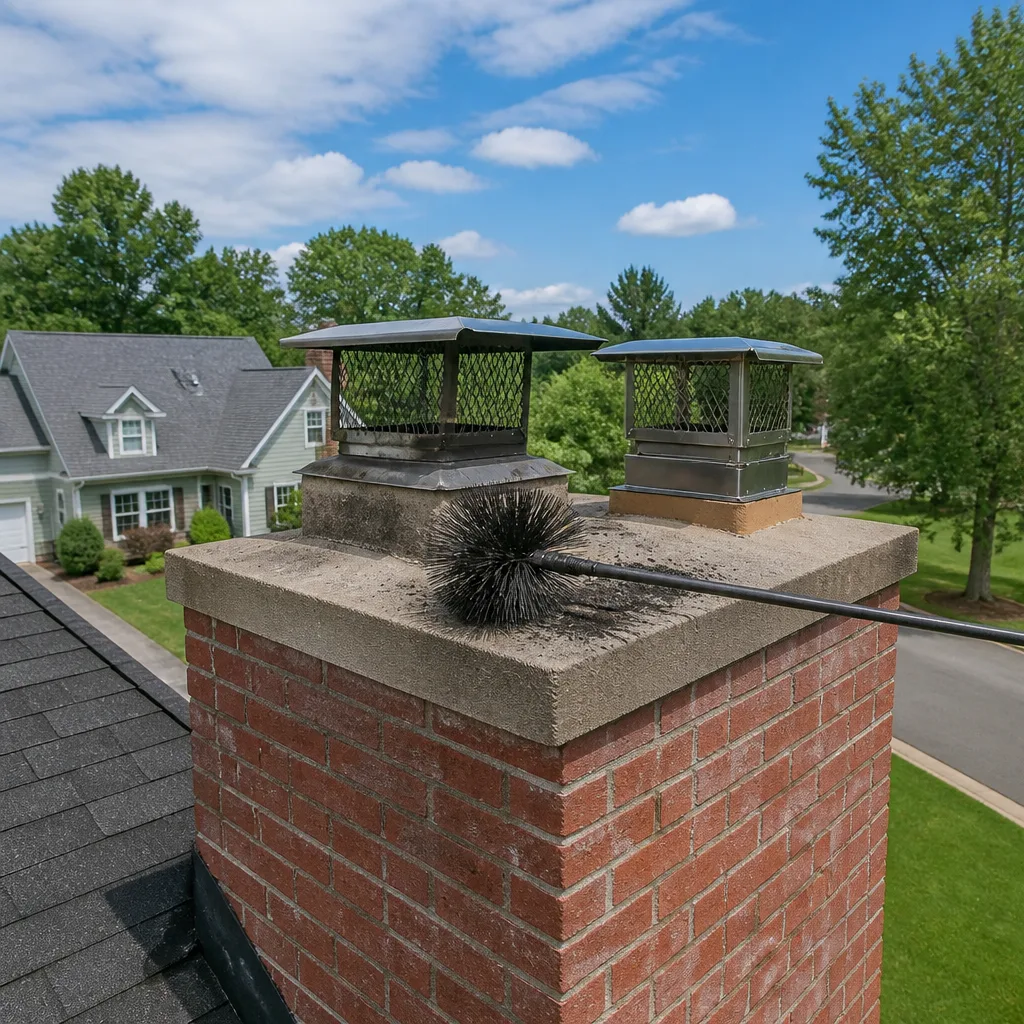
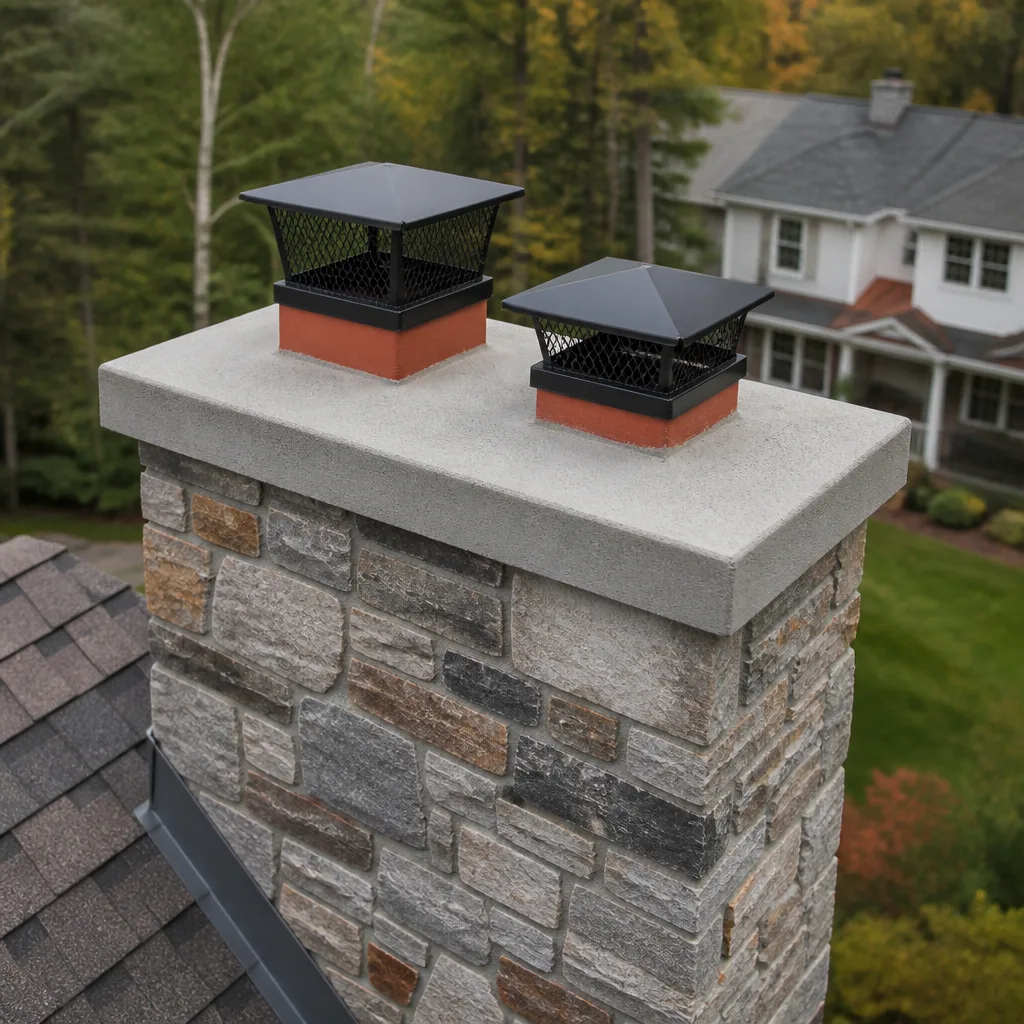
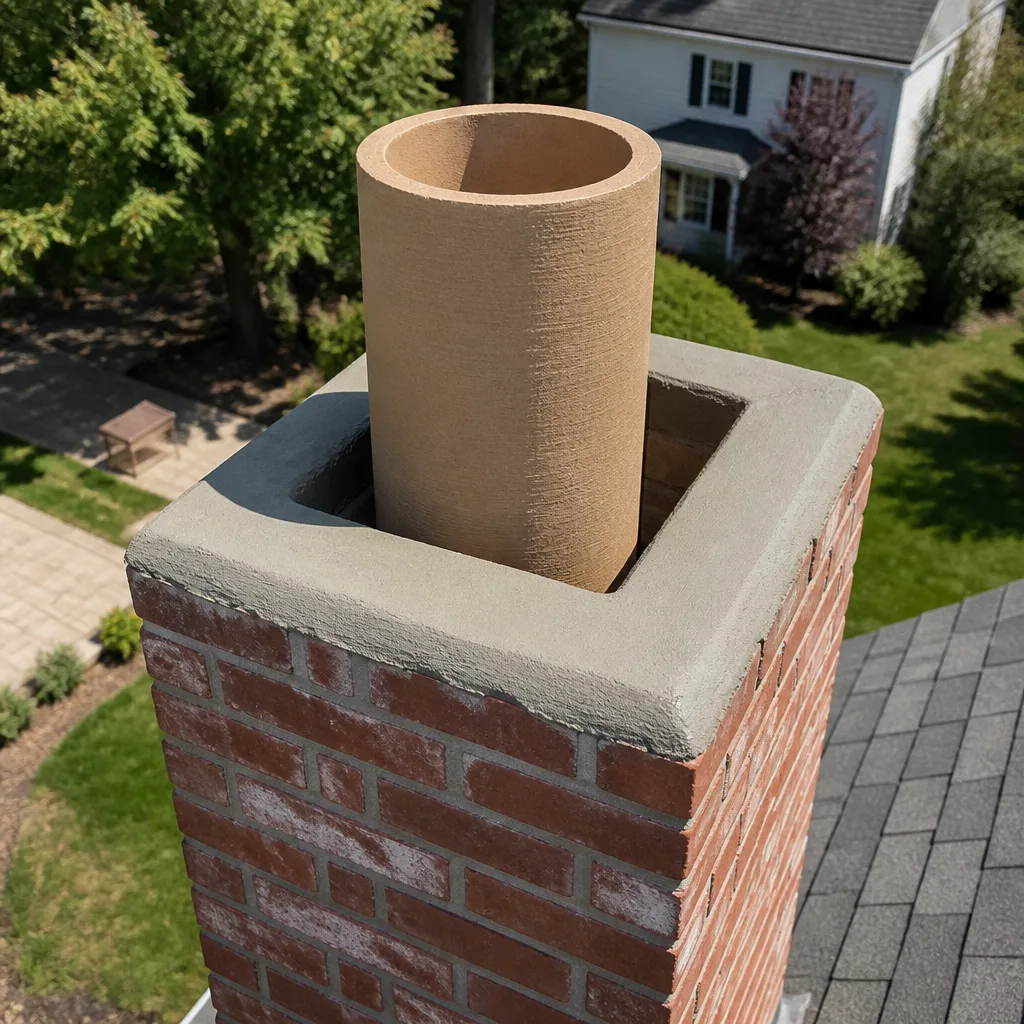
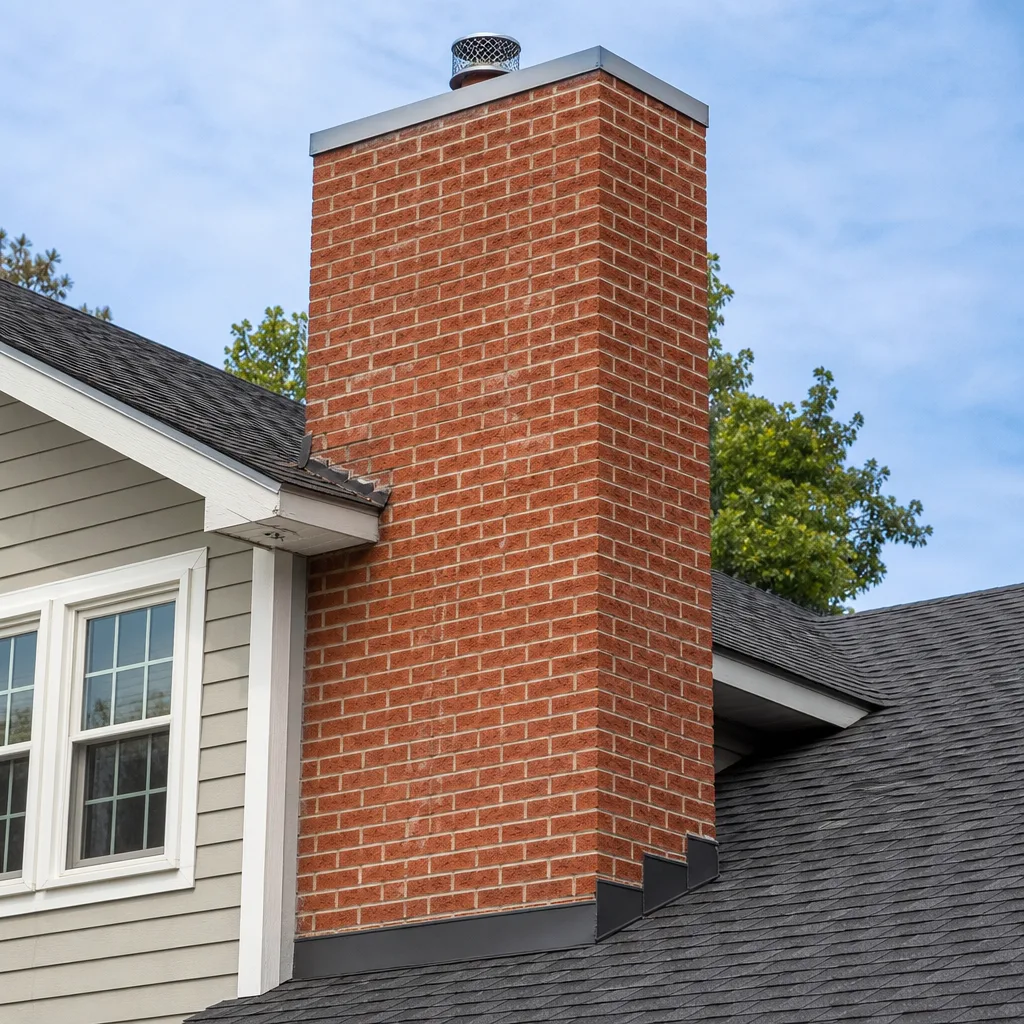
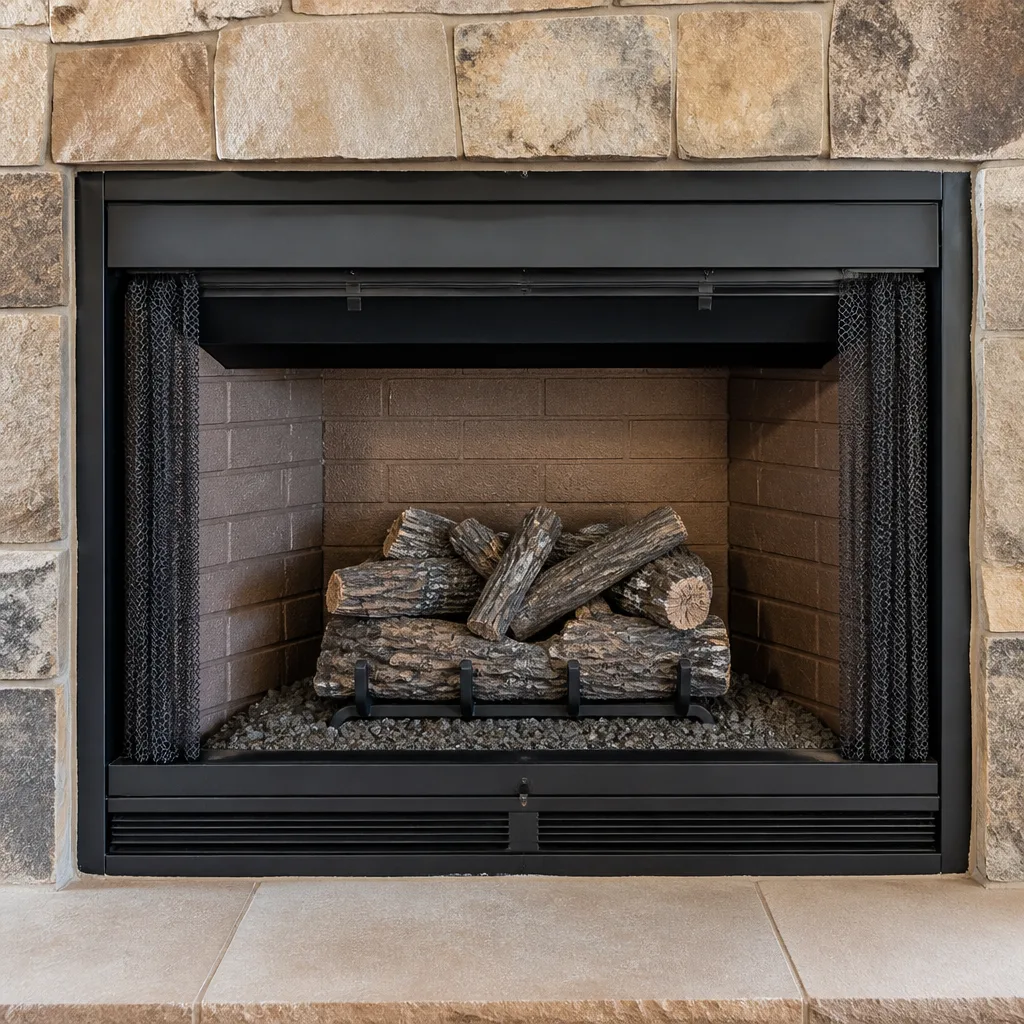
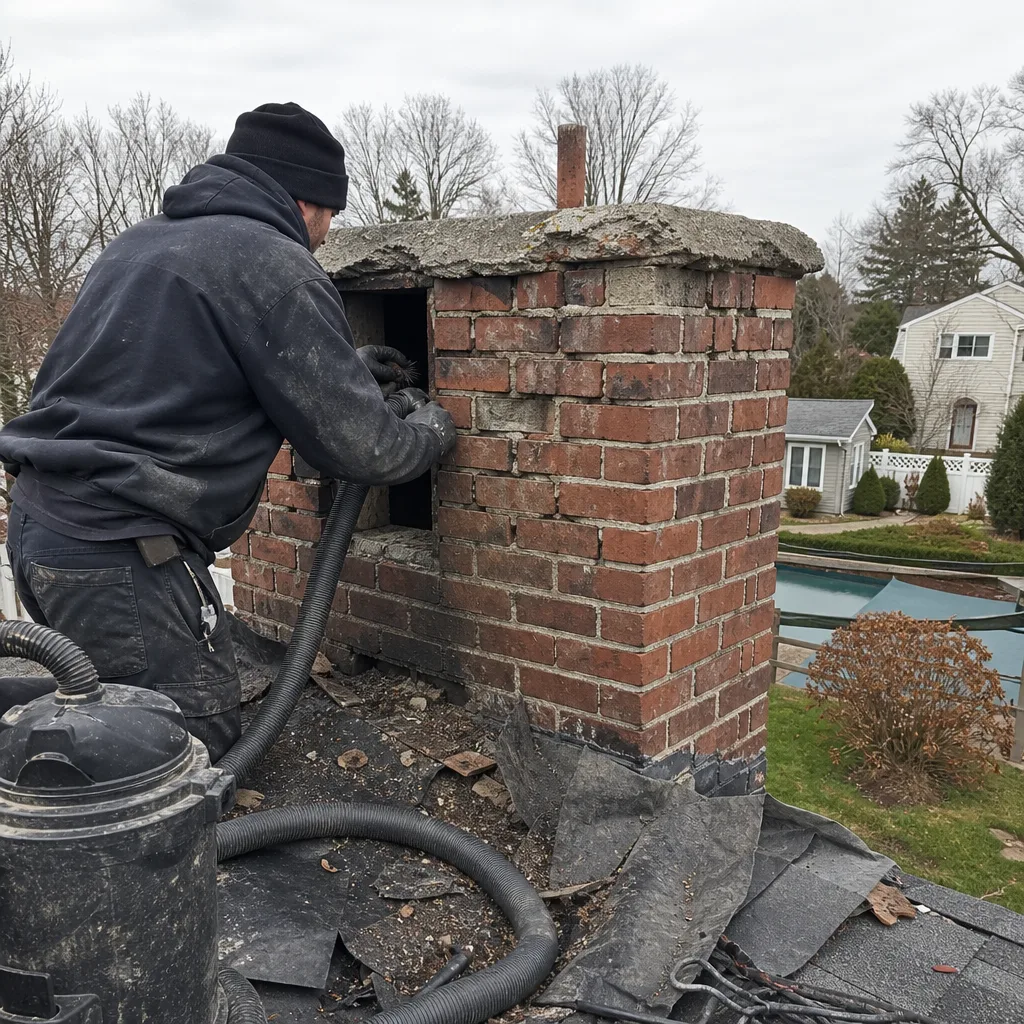 Before
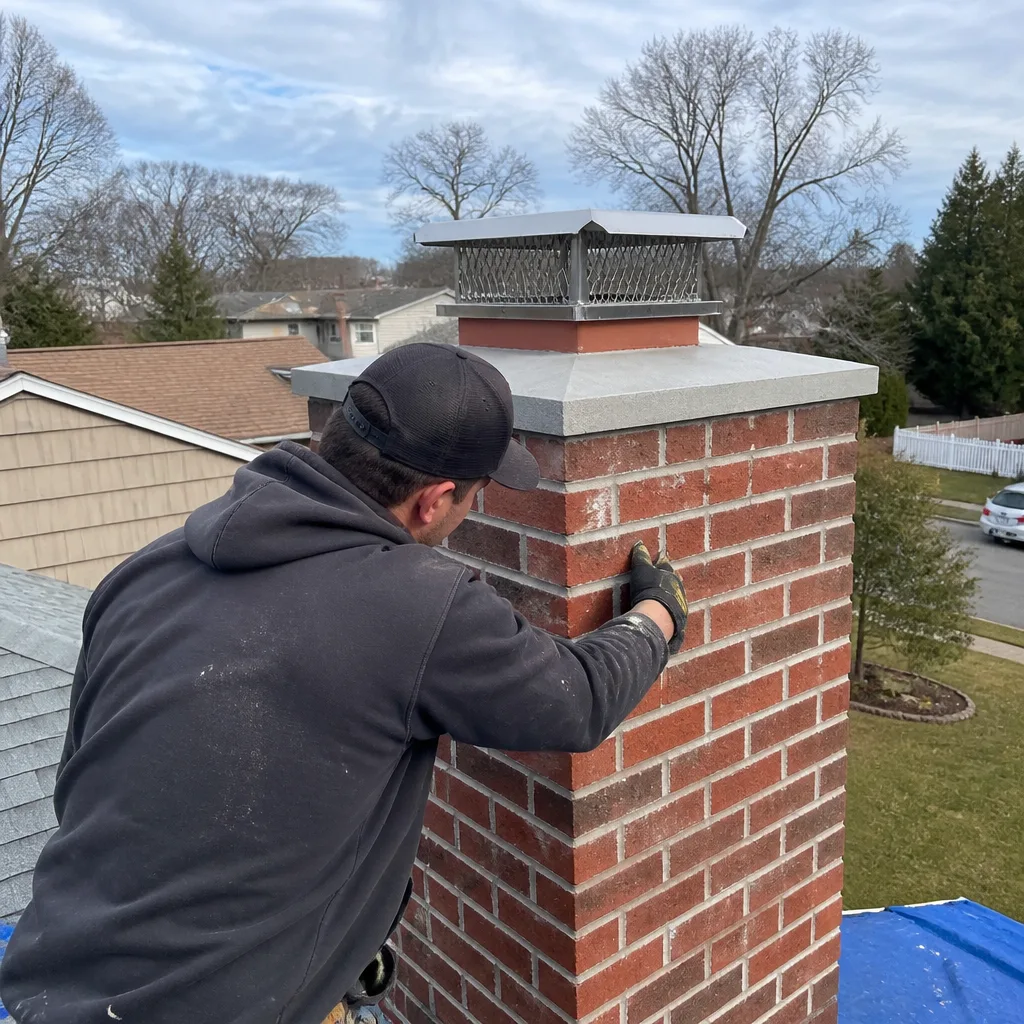 After
After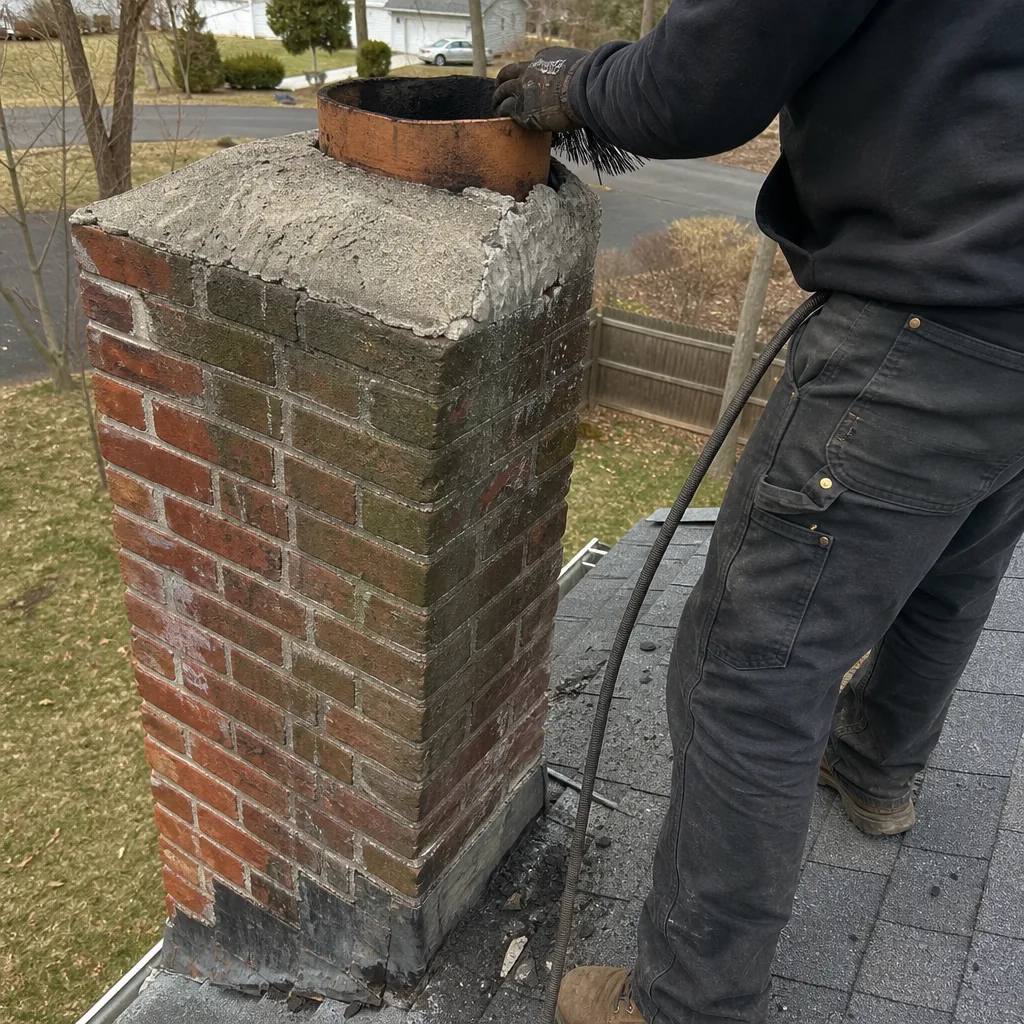 Before
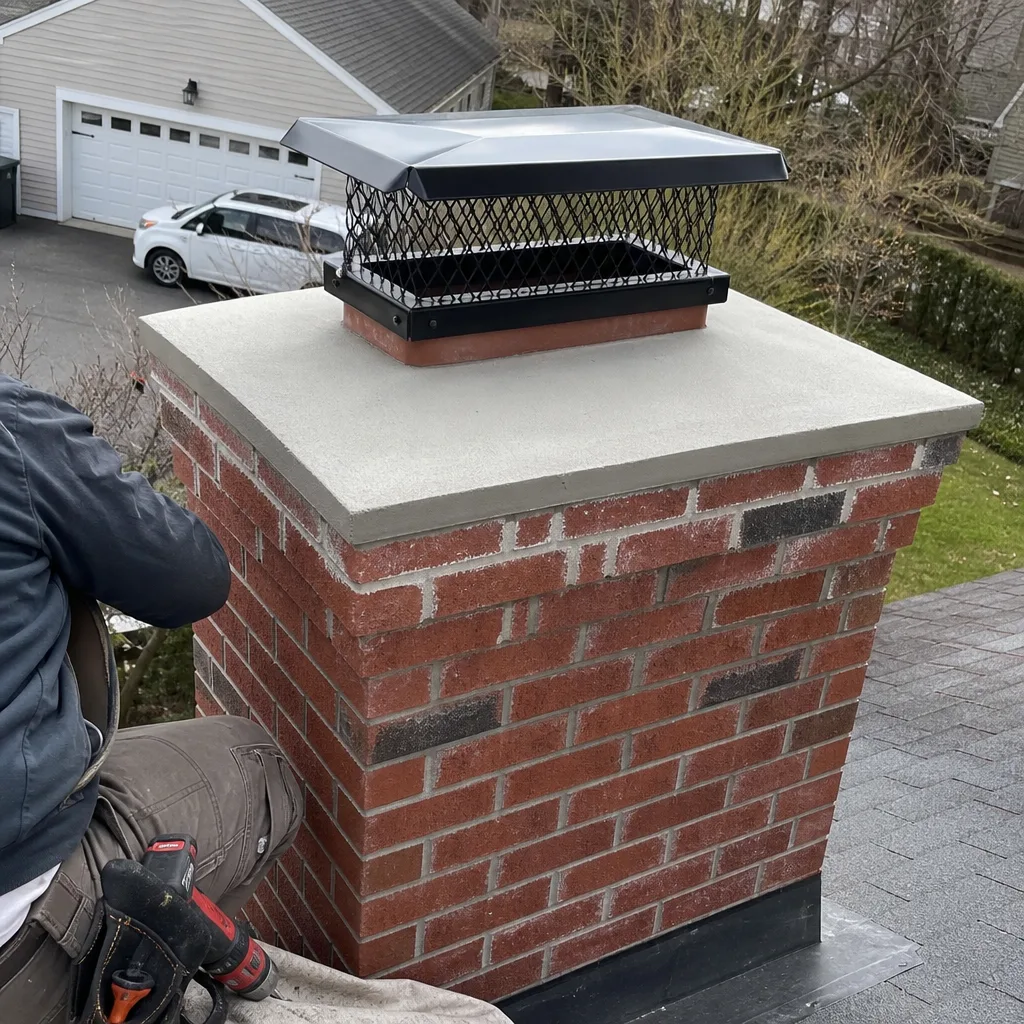 After
After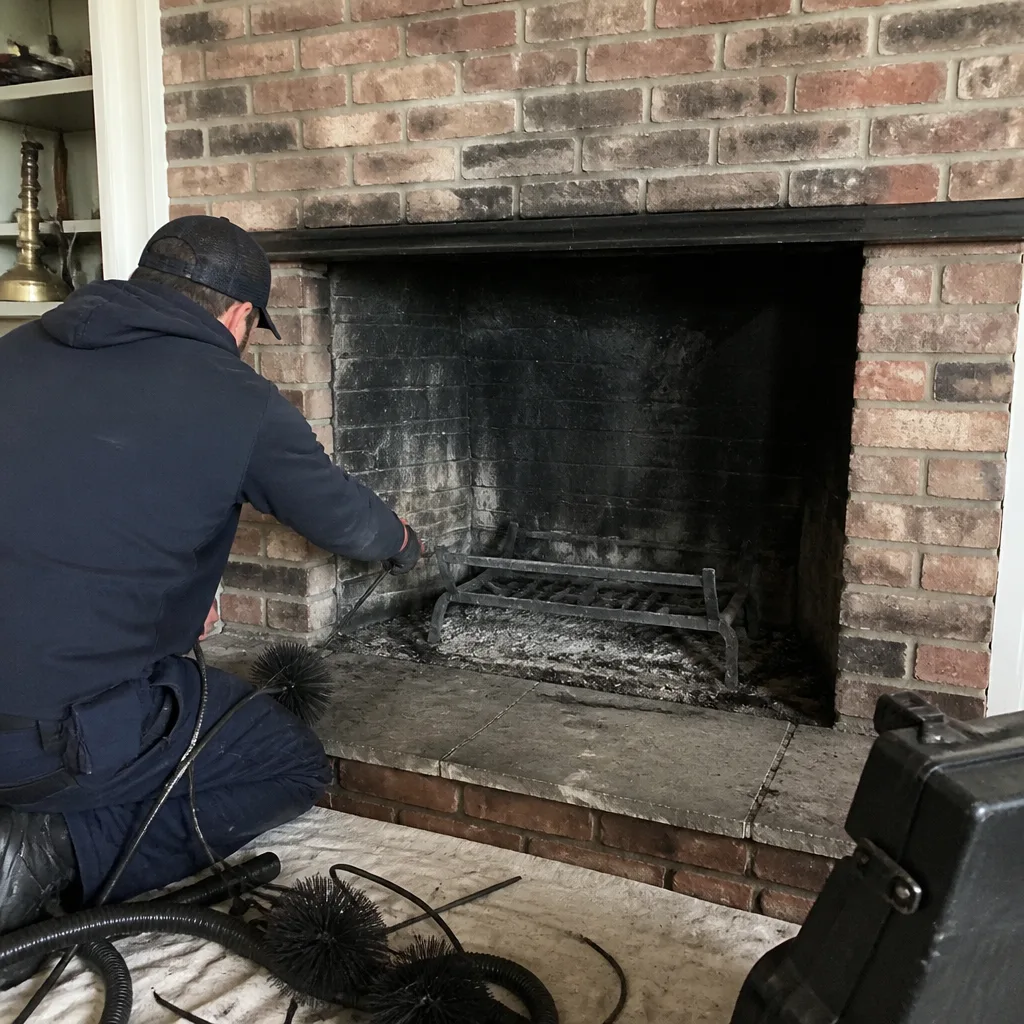 Before
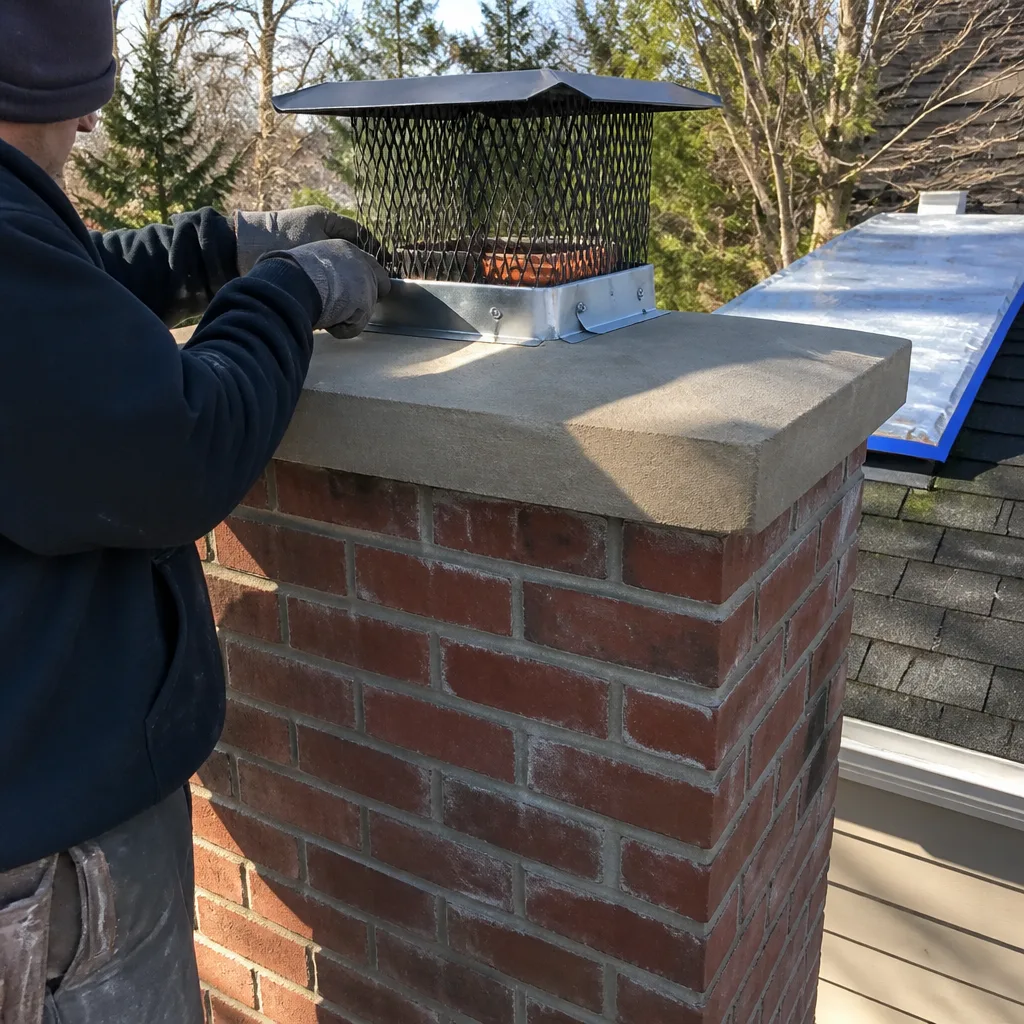 After
AfterChimney Cleaning & Sweep Maintenance Checklist for Northport Homeowners
Most homeowner chimney checklists online were written by people who’ve never been on a roof. Here’s one built from 42 years of what we actually find - and what homeowners almost always miss. In Northport, where salt air off the Sound accelerates mortar decay and our freeze-thaw cycles are sharper than inland Suffolk County, a generic “inspect annually” checklist wastes your time and risks your house. This guide - along with our Complete Guide to Chimney Cleaning in Northport - gives you the specific visual cues, seasonal timing, and honest boundary between what you can check yourself and what requires a licensed sweep with a camera.
Quick Answer
A proper chimney maintenance checklist for Northport homeowners includes monthly ground-level visual inspections, seasonal damper and firebox checks, a professional Level-2 camera inspection each fall before burning season, and documented photo baselines for year-over-year comparison. Most critical failures - cracked flue liners, deteriorated smoke chambers, and water intrusion - show Chimney Cleaning Warning Signs: A Northport Homeowner’s Reference Guide that you can spot from the hearth or yard if you know what normal looks like.
Table of Contents
- Northport Seasonal Calendar: When to Do What
- Ground-Level Visual Checks You Can Do Safely
- Interior Inspections: Firebox, Damper, and Smoke Chamber
- What Creosote Buildup Actually Looks (and Smells) Like
- How to Document Your Baseline After Every Cleaning
- DIY Maintenance vs. When to Call a Licensed Sweep
- Common Mistakes to Avoid
- When to Call a Professional
- Frequently Asked Questions
- The Bottom Line
Northport Seasonal Calendar: When to Do What
Northport’s position on the Long Island Sound creates a harsher chimney environment than most homeowners realize. Salt-laden air corrodes metal components faster. Our shoulder seasons - late September through mid-October, and again in late March - produce rapid temperature swings that stress masonry. And every winter, we see chimneys that were “fine last year” fail in January because the owner skipped the fall inspection.
Here’s the calendar we recommend based on what we’ve observed in Northport homes from Asharoken to Eatons Neck to the village center:
September: Schedule Your Professional Sweep and Inspection
Book before the October rush. Every year, the first cold snap in Northport triggers a flood of calls, and reputable sweeps book two to three weeks out. A chimney cleaning and sweep in Northport performed in September gives you time to address any repairs before you need heat.
October: Ground-Level Exterior Check
After the first heavy rain, walk the perimeter. Look for new staining on the chimney breast inside, and check the exterior for efflorescence (white powder) or spalling (flaking surface) on brick. These are early moisture signals that worsen through winter.
November Through March: Monthly Hearth Checks
During burning season, inspect the firebox floor and damper operation monthly. Document anything unusual. The thermal cycling of daily fires reveals problems that dormant summer chimneys hide.
April: Post-Season Assessment
Once you’re done burning, do a final visual check before the chimney sits idle. Spring in Northport brings driving rains; a cracked crown or failed flashing left unaddressed will funnel water all summer.
May Through August: Monitor, Don’t Ignore
Chimneys don’t heal themselves in summer. If your spring check revealed concerns, address them now. Materials like HeatShield and DuraFlex liners install best in moderate temperatures, and you’ll have full choice of scheduling.
Key Takeaways:
- September booking prevents the October backlog
- October exterior check catches water intrusion before freeze-thaw damage accelerates
- Monthly hearth checks during burning season spot developing problems early
- Spring repairs prevent summer water damage and fall scheduling conflicts
Ground-Level Visual Checks You Can Do Safely
You don’t need a ladder to catch most early warning signs. From the ground, with binoculars if you have them, check these five points in order:
- Chimney cap and spark arrestor. Look for tilting, rust streaks, or gaps between the cap and flue tile. A proper cap should sit square and show no daylight between its base and the flue. In Northport, we’ve replaced countless caps that corroded from salt air - the rust runs down the flue like a red flag.
- Crown condition. The crown is the concrete or mortar slab that tops the brick. It should slope away from the flue with clean edges. Hairline cracks are normal; widening cracks, especially with vegetation growing from them, indicate water has penetrated and is working the masonry apart. We’ve found crowns in Northport’s older homes - particularly in the estates near Laurel Hill Road - that looked intact from the street but were hollow underneath from years of hidden water damage.
- Brick and mortar joints. Stand at each corner and sight along the face. Repointing needs are visible as recessed or missing mortar, often with darker staining below where water has run through. Spalling brick - the surface flaking off in layers - means water has frozen inside the masonry. This accelerates dramatically after one hard winter.
- Flashing where chimney meets roof. Look for lifted edges, gaps, or caulk that has separated. Northport’s wind exposure, especially in waterfront neighborhoods, tests flashing continuously. A lifted corner in October becomes a leak by January.
- Chimney lean or settlement. Step back and sight along the roofline. Any noticeable tilt needs immediate professional evaluation. We’ve seen two chimney collapses in our 42 years, and both showed visible lean for years before failing.
What you’re establishing is a “normal” baseline for your specific chimney. Photograph these five points each October. Compare year to year. Change is the signal, not perfection.
Interior Inspections: Firebox, Damper, and Smoke Chamber
The interior checks separate a useful checklist from a useless one. Most homeowners never look past the firebox floor, and that’s where critical failures begin.
Firebox Floor and Walls
With a flashlight, examine the firebrick for cracks that go all the way through, not just surface crazing. A crack from the floor up the back wall, especially one that aligns with a visible exterior crack, can indicate structural movement. Check the floor itself for settled or missing refractory panels. In prefabricated metal fireplaces, look for warped or rusted metal - replacement panels are specific to the unit and often require a professional with access to manufacturer specs.
Damper Operation
Open and close the damper fully. It should move smoothly without grinding or catching. Look up through the damper with your flashlight. You should see straight flue tiles or a smooth metal liner. Offset tiles, visible gaps, or rough deposits are all abnormal. Note the damper’s position when closed - a damper that won’t seal fully wastes heat and can allow downdrafts.
In Northport’s older homes, we’ve found dampers frozen shut from corrosion, or modified by previous owners with homemade “fixes” that compromise safety. A damper that doesn’t operate correctly is not a maintenance item; it’s a repair.
Smoke Chamber
Above the damper, the smoke chamber funnels smoke into the flue. This is the most commonly missed inspection point. With the damper open and a strong flashlight, look for:
- Exposed corbelled brick that should be parged smooth - rough surfaces collect creosote
- Creosote buildup exceeding 1/8 inch thickness
- Cracks or gaps where the chamber meets the flue
- Debris: bird nests, leaves, or collapsed masonry
The smoke chamber is where many chimney fires start. It’s also where a Level-2 camera inspection reveals what no flashlight can see. We document smoke chamber condition with photos on every chimney cleaning and sweep in Northport - the homeowner sees what we see, with a plain-English verdict on whether parging or repair is needed.
Smoke Shelf
Behind the damper, the smoke shelf catches debris and helps prevent downdrafts. It should be clear of significant buildup. A smoke shelf packed with fallen mortar, nests, or thick creosote restricts draft and creates a fuel source. This is not accessible for most homeowners to clean; it’s a professional service item.
What Creosote Buildup Actually Looks (and Smells) Like
Not all creosote is the same, and the type determines the risk and the cleaning method. Homeowners who know the difference make better decisions about when to burn, what to burn, and when to call.
Stage 1: Sooty, Flaky, and Brushable
Light brown to black, dusty, and easily brushed away. This is normal with proper burning of seasoned hardwood. If your chimney produces only Stage 1 creosote, annual sweeping keeps it manageable.
Stage 2: Crunchy, Porous Chips
Darker, harder, breaking into irregular chunks. This forms when wood is slightly damp or the fire is regularly smoldered. Stage 2 requires more aggressive brushing and often indicates burning habits that need correction.
Stage 3: Glazed, Shiny, and Tar-Like
Hard, glossy, black or dark brown, often with a distinct chemical or asphalt odor. This is the dangerous form. It ignites at lower temperatures, burns intensely, and cannot be removed with standard brushes. Stage 3 creosote requires chemical treatment or rotary cleaning, and its presence means your burning practices or appliance setup needs professional evaluation.
The smell matters. A sharp, acrid odor from the fireplace in summer, especially on humid Northport days, often indicates Stage 3 creosote absorbing moisture and off-gassing. If you notice this, schedule an inspection before the next burning season.
What we burn in Northport matters too. The prevalence of ornamental pear and maple trimming from mature village lots means some homeowners burn unseasoned or inappropriate wood. Softwoods, green wood, and construction debris accelerate Stage 3 formation. We counsel every homeowner: if you didn’t split it and stack it yourself for 12 months, assume it’s not seasoned.
How to Document Your Baseline After Every Cleaning
A checklist without records is just a memory aid, and memory fails. Professional documentation creates the comparison that catches change before it becomes failure.
After every professional sweep, you should receive:
- Photos of the flue interior, smoke chamber, and firebox from multiple angles
- Written notation of creosote type and thickness found
- Measurement of any cracks (length, width, location)
- Condition assessment of the damper, crown, cap, and flashing
- Clear statement of recommended repairs, with priority ranking
Keep these records with your home maintenance files. Next year’s sweep should reference them explicitly. “Crack at 12 o’clock position, 3 inches long, 1/16 inch wide - compare to prior” is useful. “Chimney okay” is not.
At Hearthstone Chimney Co., our Level-2 camera inspections end with a photo report and plain-English verdict. We date and archive every report. When a Northport homeowner calls with a concern, we pull their history and compare. A crack that grew from 1/16 to 3/16 inch in two years tells a different story than a crack that appeared suddenly after a lightning strike.
For your own documentation, supplement the professional report with:
- Your October ground-level photos, dated and stored digitally
- Notes on any changes in draft performance, odors, or staining
- Records of what wood you burned, and when it was split
- Documentation of any repairs, with contractor name and date
This baseline becomes evidence if you sell your home, file an insurance claim, or dispute a contractor’s recommendation. More importantly, it gives you confidence - the confidence to wait on a minor finding, or to act promptly on a significant change.
DIY Maintenance vs. When to Call a Licensed Sweep
The honest line: some chimney maintenance is appropriate for a careful homeowner, and some requires training, equipment, and licensing. Drawing this line correctly is part of our K.E.Y.S. values code - Your home first means not upselling you on what you can safely do yourself.
Homeowner-Appropriate Maintenance
- Monthly visual checks of firebox, damper, and hearth area
- Ground-level exterior inspection with binoculars
- Keeping the hearth area clear of combustibles
- Monitoring and documenting changes in performance or appearance
- Installing and maintaining working smoke and CO detectors on every level
- Burning only seasoned hardwood, never trash or treated lumber
Professional-Required Work
- Any work on the roof or above ground level - fall risk, period
- Chimney sweeping and creosote removal - proper brushes, vacuums, and disposal
- Camera inspection of flue liner and smoke chamber
- Repair or replacement of flue liners, including DuraFlex stainless steel installations
- Crown repair or replacement, including HeatShield applications
- Smoke chamber parging and firebox rebuilds
- Cap and spark arrestor installation with proper sizing
- Any work involving gas lines or gas log sets
The chimney repair services we provide in Northport include everything on the professional list, done with background-checked, uniformed technicians who complete most jobs in a single visit. No-hassle upfront pricing means the estimate number matches the invoice number.
One specific caution for Northport homeowners: our waterfront and near-waterfront properties, from Bayview Avenue to the Asharoken shore, experience accelerated metal corrosion. A cap or flashing that lasts 15 years inland may need replacement in 8 to 10 years here. Don’t assume prior replacement schedules apply to your location.
Common Mistakes to Avoid
- Assuming “no smell, no problem.” Carbon monoxide is odorless, and a blocked or damaged flue can vent it into living spaces without any visible smoke. Every Northport home with a fireplace needs working CO detectors, tested monthly.
- Cleaning only the firebox. A clean firebox with a cracked flue liner is like washing a car with bad brakes. The visible part isn’t the dangerous part.
- Using the chimney as a vent for other appliances. We’ve found dryer vents, bathroom fans, and even makeshift HVAC connections routed into chimneys in Northport’s older housing stock. This is a code violation and a fire hazard. Each fuel-burning appliance needs its own properly sized vent.
- Ignoring the crown because “it’s just the top.” Crown failure is the single largest source of water damage we repair. A $300 crown repair prevents $3,000 in masonry rebuild. In Northport’s freeze-thaw climate, this math gets worse every winter you wait.
- Skipping the inspection after a chimney fire. Even a small chimney fire, often described by homeowners as “a loud roaring noise” or “sudden heavy smoking,” causes liner damage that may not be visible from below. Always schedule a Level-2 inspection after any suspected fire.
- Hiring based on price alone. The lowest bid rarely includes camera inspection, photo documentation, or a written guarantee. Our 90-Day Done Right Promise - in writing, no arguing - exists because we’ve been called to fix cut-rate work that failed within months.
- Burning Christmas wrapping paper or cardboard. The intense, short fire this creates can ignite creosote deposits and overheat metal components. We’ve responded to Northport chimney fires traced directly to holiday debris burning.
When to Call a Professional
Call a licensed sweep immediately if you notice: visible cracks in the flue tile or liner, pieces of tile or mortar in the firebox, a damper that won’t open or close fully, water staining on walls or ceiling near the chimney, a persistent smoky odor when the fireplace isn’t in use, or any suspected chimney fire (loud roaring, sudden dense smoke, flames visible at the top).
Call before the urgency: if your last professional inspection was more than 12 months ago, if you’ve recently purchased the home and have no inspection records, if you’re changing fuel types or installing a new insert, or if you’re in a Northport home built before 1980 with original clay flue tiles.
Hearthstone Chimney Co. offers our Chimney Cleaning & Sweep services with free estimates in Northport. A live person answers every call, 24 hours a day, 7 days a week - not voicemail, not a callback queue. Call (631) 528-2501 to schedule, or to discuss what you’re seeing on your own inspection. We’ll tell you honestly whether it needs immediate attention or can wait for your annual sweep.
Frequently Asked Questions
A standard chimney cleaning and Level-1 inspection in Northport typically runs $200 to $350, while a Level-2 camera inspection with photo documentation ranges from $300 to $500 depending on accessibility and the number of flues. Hearthstone Chimney Co. offers an $89 Seasonal Tune-Up for qualifying systems, and every sweep includes our documented photo report with a plain-English verdict. Call (631) 528-2501 for an exact quote - estimates are free.
The National Fire Protection Association recommends annual inspection for all chimneys, and sweeping as needed based on creosote accumulation. In Northport, where many homeowners burn regularly through winter and salt air accelerates component aging, we advise annual sweeping for active fireplaces and at minimum biennial inspection for rarely used systems. A chimney that sits unused can still suffer water damage, animal intrusion, or deterioration that a yearly check catches early.
You need a new flue liner if the existing one is cracked, improperly sized for your appliance, or missing entirely - and only a camera inspection can determine this with certainty. We never recommend liner replacement without photo evidence you can see for yourself. In Northport’s older homes, especially those built before 1980 with unlined brick chimneys or damaged clay tiles, a stainless steel DuraFlex liner often becomes necessary for safe operation. But “necessary” is a conclusion, not a starting assumption. Our inspection gives you the photos and the honest assessment to decide.
Skipped maintenance leads to creosote accumulation that increases fire risk, water intrusion that destroys masonry from within, and undetected liner damage that can vent carbon monoxide into living spaces. In Northport specifically, we’ve seen skipped crowns fail completely over one hard winter, turning a $400 repair into a $4,000 rebuild. The risk is real, but it’s also specific and preventable. A maintained chimney is a safe chimney; a neglected one becomes a liability that compounds.
You can inspect your own firebox, damper, and hearth area monthly, but full chimney cleaning requires proper brushes, industrial vacuums, rooftop access, and training in creosote identification and safe disposal. The risk of falling, improper cleaning that leaves dangerous deposits, or damaging the flue liner exceeds any savings. In our experience, DIY cleaning attempts often cost more to correct than professional service would have cost initially. For the work you can safely do yourself, see our ground-level and interior checklists above.
A Level-1 inspection includes visual examination of readily accessible portions of the chimney exterior, interior, and connecting appliances. A Level-2 inspection, which we recommend for all Northport homeowners annually, adds camera examination of the flue liner, smoke chamber, and attic areas, plus inspection of accessible portions of the chimney exterior and interior, including the crown, cap, and flashing. Our Level-2 inspections conclude with dated photos, written findings, prioritized recommendations, and the 90-Day Done Right Promise - in writing, no arguing. Call (631) 528-2501 to schedule.
The Bottom Line
A chimney maintenance checklist works when it tells you exactly what to look for, when to look, and what the findings mean. For Northport homeowners, that means calibrating to our specific climate - salt air, freeze-thaw cycles, and Sound exposure - and maintaining honest boundaries between owner checks and professional service. Document everything. Compare year to year. For more guides & resources, and when you need a licensed sweep with camera equipment and 42 years of local experience, we’re here. Done right - and we stand behind it.
Written by Russell Haines, Owner at Hearthstone Chimney Co., serving Northport since 2014.